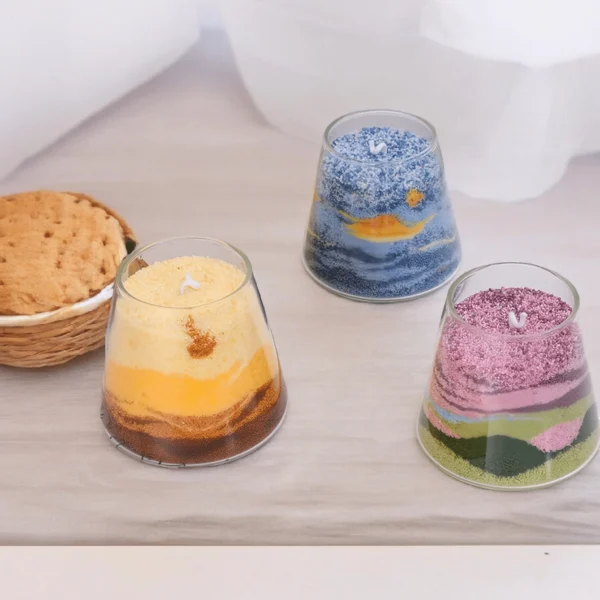


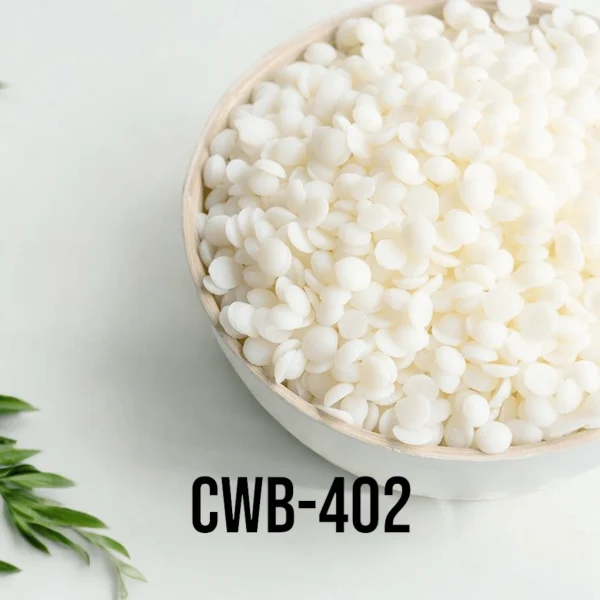
 Coconut wax blend
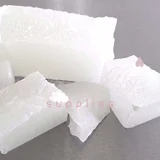
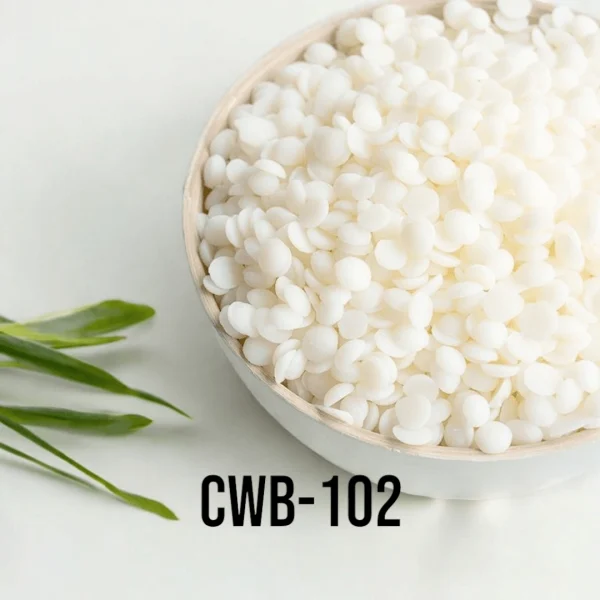 Soy wax pellets for molds
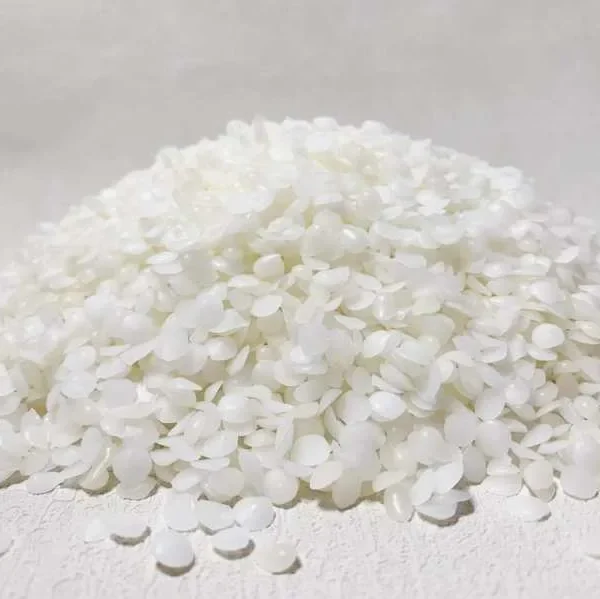 White beeswax
 VANILLA
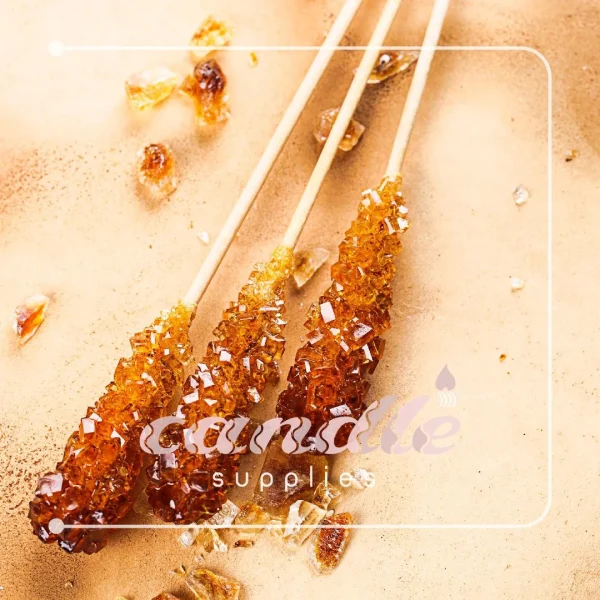 Amber
 WHITE MUSK
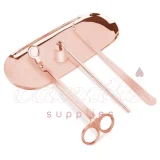
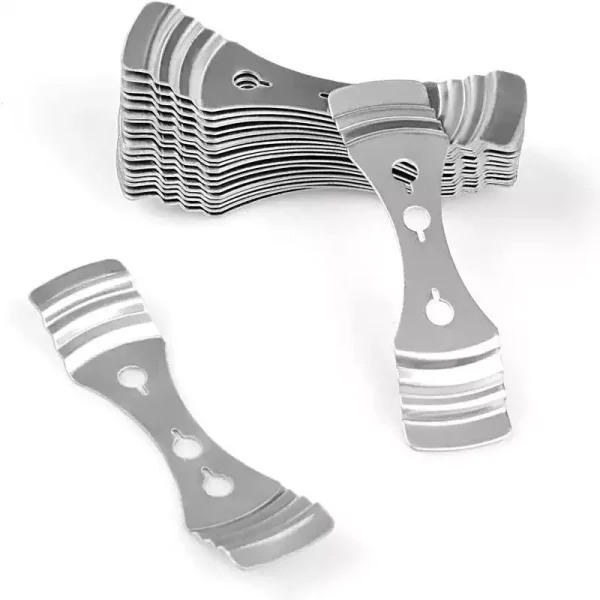 Metal wick holder
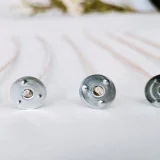
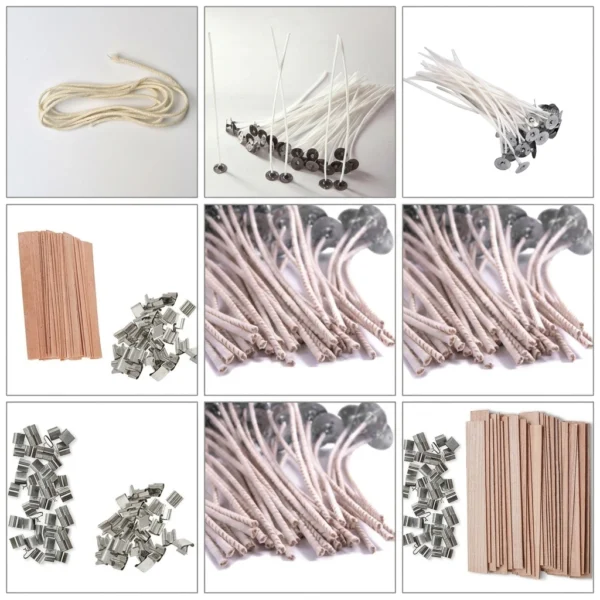 Assorted wick samples
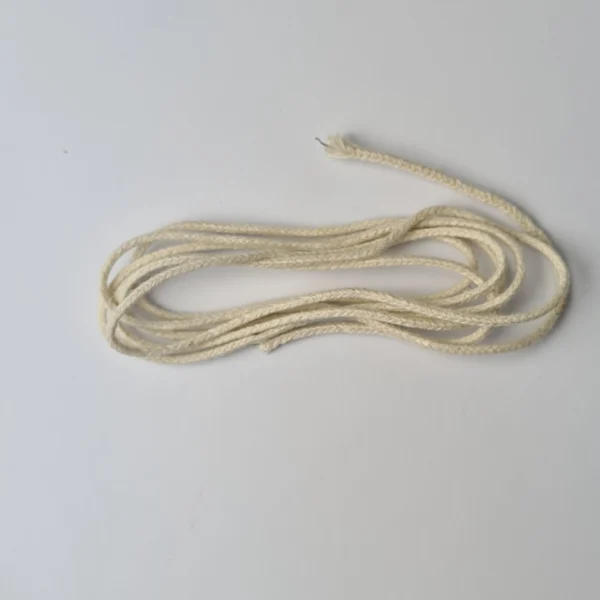 Cotton & zinc wicks
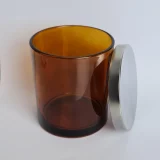
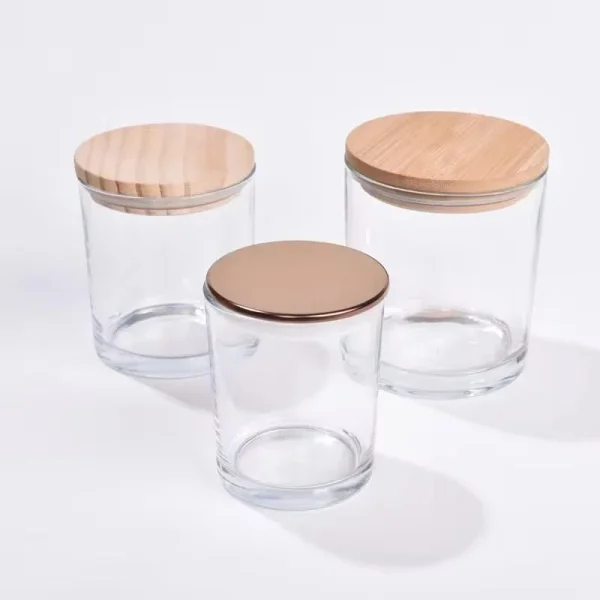 Clear glass candle jar 430 ml

Candle making has become one of the largest contemporary craft arts in recent years. The demand for it has increased among craftsmen and merchants. It is an industry that combines precision in execution and refined taste, making each candle a piece of art that has its own elegance and expresses a high sense of beauty. Despite the simplicity of its idea, it is not devoid of difficulties and challenges, whether in manual manufacturing or commercial production itself. Therefore, we will shed light on the problems of candle making and also present a set of solutions to overcome them.
Candle making problems
It may seem at first glance that making handmade candles is simple, without any complexity, and its components are available in all places, but the reality is different here. Many craftsmen, especially beginners in the field, face various candle making problems that can cause them frustration, and the problems do not stop at the external appearance of the candle only, but there are many other challenges, including:
Candle color changes or fades:
One of the most annoying problems for candle makers is changing the color of the candle, especially those who care about aesthetic details and whose goal is to provide luxury products or intended for gifts. Therefore, the manufacturer is often surprised, after a period of time since manufacturing the candle, that its color has begun to fade. This change not only affects the general aesthetic appearance of the candle, but also its marketing value, and the consumer is usually attracted to the perfect color and the pure, perfect appearance. As for a faded candle, it may give the impression that it is old or manufactured in an unprofessional manner, which reduces the chances of selling it.
This change may appear in the color of the candle itself, and sometimes in the form of unusual spots or lines, which gives a bad impression and that there is some defect in the quality of these raw materials or the method of preparation.
Uneven combustion or black smoke:
Another problem in candle making is the occurrence of unbalanced combustion when lighting the candle, or noticing the rise of thick black smoke that spoils the experience of use. This problem may seem simple to some, but in reality it affects the safety of the product, its smell, and the final customer’s impression of it.
Poor stability of the aroma upon use:
Smell is an essential factor for a scented candle, and it is the first element that leaves a profound impact on the user’s experience, which is why the weak consistency of the scent or its disappearance when lighting the candle is one of the most annoying problems for consumers, and confuses candle makers, especially beginners.
The candle may seem perfect in terms of shape and color, and smell beautiful when you receive it, but once you light it, you notice that the fragrance does not appear as expected, or that it disappears completely after minutes. This defect harms the quality of the product and also weakens confidence in the brand or the craftsmanship.
The appearance of air bubbles inside the candle:
Air bubbles are one of the visual defects that spoil the final appearance of the candle, especially in candles that are poured into transparent containers or those that rely on the purity of color and surface as a primary aesthetic factor. These bubbles may appear as small dots inside the body of the candle, or be observed at its outer surface, giving an unprofessional impression even if the candle is technically fit for use.
What is meant by unbalanced combustion?
It is when the candle does not melt evenly around the wick, so what is known as a “hole” is formed, meaning that the wax melts only in the middle while the sides remain solid, and this reduces the life of the candle, wastes a large portion of the product and makes it lose its aesthetic appearance.
As for black smoke, it is an indication of contaminated burning, and is often accompanied by an annoying smell, and may leave traces on surfaces or walls near the candle, which is completely unacceptable in scented candles or those intended for quiet atmospheres.
Proposed solutions for each problem
Now that we have known the most prominent problems in candle making, despite it being an annoying challenge faced by candle makers in the various stages of production, there are some practical solutions that can be easily applied to avoid these problems:
Tips to prevent candle discolouration or fading
- Using high-quality dyes intended for candle making, as they are stable and able to resist heat and light.
- It is preferable not to use traditional or non-specific colors when using wax.
- We must place candles in cool, dry places completely away from sources of heat and moisture.
- Adding an antioxidant (if available) to maintain long-term color stability.
- Ensure that the color is mixed homogeneously into the wax to avoid the appearance of unwanted spots or hues.
How to burn wax cleanly
- Choose a type and size of wick appropriate to the size of the candle and the type of wax used, as each type requires a specific wick.
- Install the wick to a suitable length (about 0.5 cm) before each use, to reduce flame and smoke.
- Use pure, impurity-free wax to ensure clean burning.
- Do not add an excessive amount of essential oils, and adhere to the recommended ratio (usually 6-10% of the wax weight).
- Pour the wax in a thermally stable environment, avoiding drafts during curing.
Strengthening the stability of the aromatic scent
- Use highly concentrated fragrance oils intended for candle making, not any available fragrance oil.
- Add essential oil at the ideal temperature to combine with the wax (usually between 60-70°C, depending on the type of wax).
- Use an appropriate percentage of perfume for the type of wax, and do not use too much of it because it causes suffocation or abnormal burning.
- Choose candles with a high ability to absorb oils, such as soy wax or coconut wax.
- Pack aromatic candles in airtight containers, away from any heat source, to preserve them for the longest time.
Prevent air bubbles from appearing inside the candle
As we mentioned previously, one of the problems in candle making is the appearance of air bubbles inside the candle, so this must be avoided by:
- Stir gently and continuously while mixing the ingredients, to reduce air entering the wax.
- Pour the wax slowly and steadily to avoid air retention while pouring.
- Make sure that the mold or bowl is slightly warm before pouring, to avoid the wax hardening quickly and forming voids.
- Gently tap the sides of the mold or bowl after pouring to help the bubbles rise to the surface.
- Gently use a heat gun on the surface of the candle after it hardens to get rid of surface bubbles.
Learn about: Candle making mistakes.
Where do I find the best candles?
One of the basic steps that will help you avoid problems in candle making is choosing a suitable type of wax. Each type of candle has its own characteristics and what distinguishes it in terms of appearance, speed of burning, and consistency of its smell as well. We will help you choose the appropriate type for your needs from the candle supplies store in the soy wax section:
Raw palm wax

Raw palm wax has many advantages, the most important of which are:
- It is safe and clean to burn, as it produces clean smoke and does not cause emissions of harmful substances to the environment.
- It is naturally extracted from palm fruit oil and palm wax, so it is considered environmentally friendly.
- It melts at a temperature ranging between 53-56 degrees Celsius, which makes it easier to work with during the formation stages.
- It has an excellent ability to absorb essential oils by 10%, ensuring a strong and constant scent.
Natural soy wax

- Natural soy wax is made from pure soybean oil without any additives, making it a natural and safe option.
- It does not contain any harmful substances during combustion. It is suitable for use indoors. It decomposes biologically and does not emit heavy smoke.
- It burns slowly, so it lasts longer and is therefore one of our economical options.
- It is also able to retain 12% fragrance, giving a strong and diffused scent during use.
White beeswax

- White beeswax is natural, safe and pure as it is prepared from beehives without any additives.
- It is used in the manufacture of cosmetics and many recipes for body and skin care.
- It has a soft texture and firm consistency, so it melts easily.
- It also ensures clean burning and low smoke.

The most frequently asked questions about candle making problems
[sc_fs_multi_faq headline-0=”h3″ question-0=”How do I make perfect candles?” answer-0=”Choose suitable molds to pour the wax into, and choose a wick suitable for the diameter of the candle. When pouring, we must use a calm and gentle movement to avoid the appearance of air bubbles. The wax must also be left to cool at a low temperature to solidify perfectly.” image-0=”” headline-1=”h3″ question-1=”What type of materials are used in making candles?” answer-1=”Natural soy, palm and bee wax, paraffin, and many other types of candles.” image-1=”” headline-2=”h3″ question-2=”How do we decorate candles with colors?” answer-2=”We can use different colors and dyes to suit your personal preferences and add them when making the candle. It must be stirred constantly to ensure the color spreads perfectly.” image-2=”” count=”3″ html=”true” css_class=””]
Candle making remains an enjoyable and wonderful profession in all its details. It combines innovation, renewal and creativity. Despite the many problems of candle making, learning methods to understand the materials and choose the best type helps you transform these challenges into professional steps.
Read also: Secrets of making scented candles.
Have a question about this topic? Our team is ready to help on WhatsApp, or read the candle-making guide.