



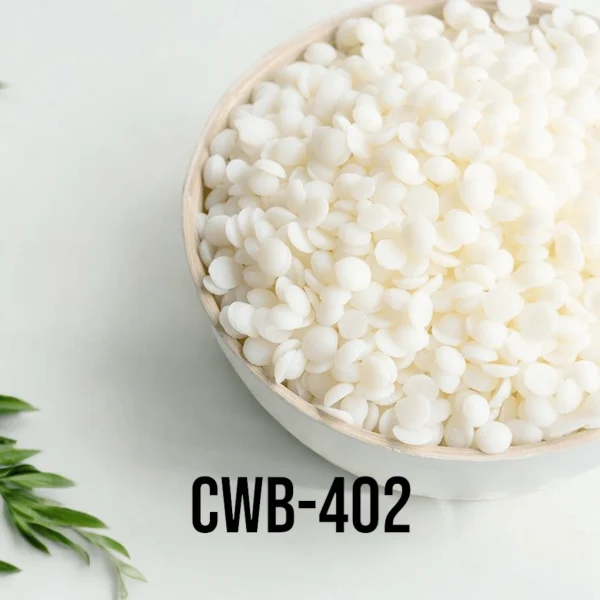
 Coconut wax blend
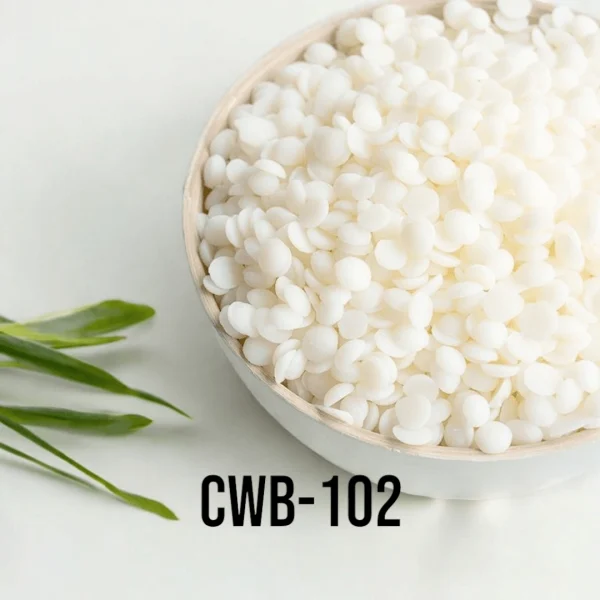 Soy wax pellets for molds
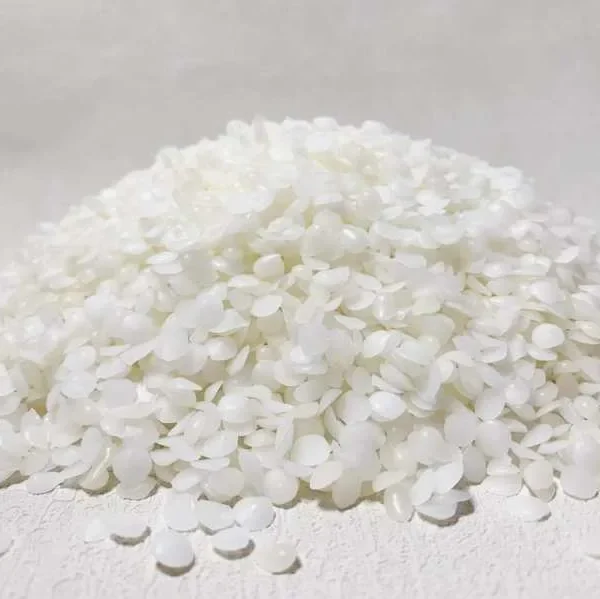 White beeswax
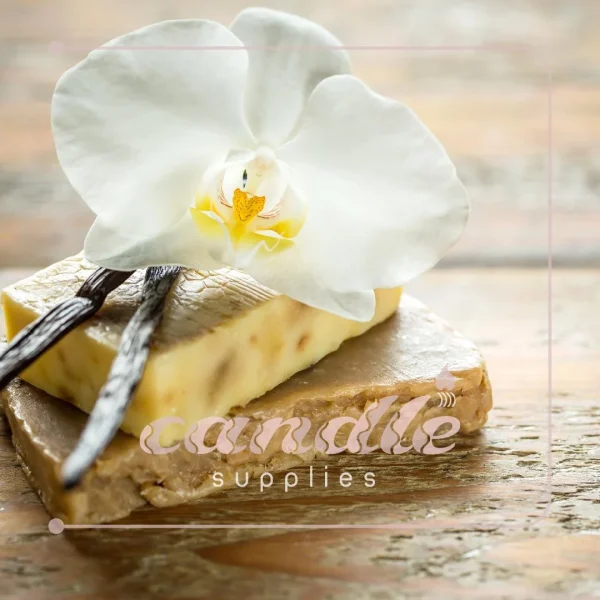 VANILLA
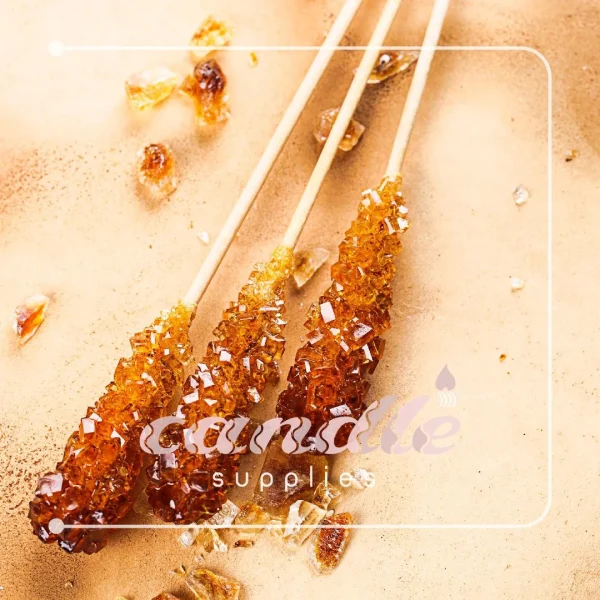 Amber
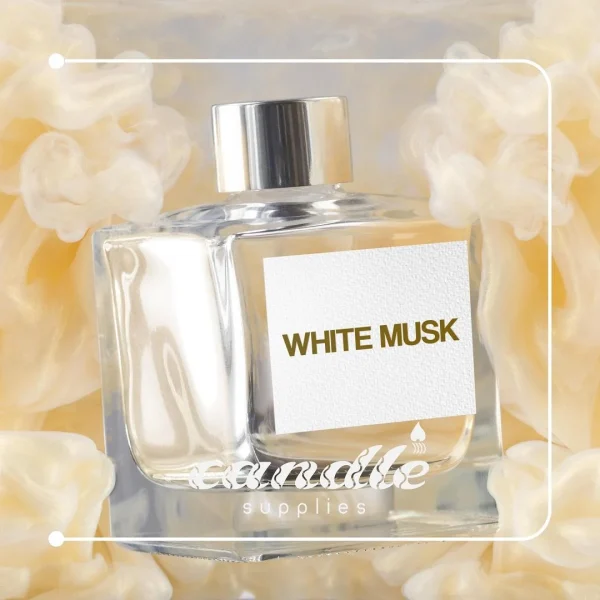 WHITE MUSK
 Metal wick holder
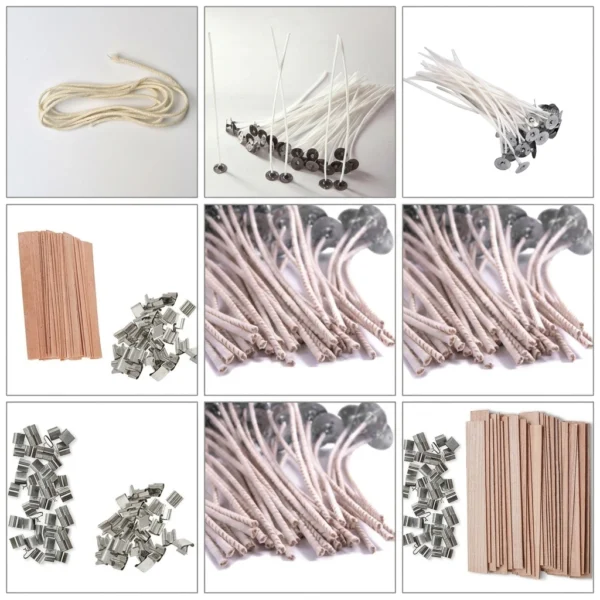 Assorted wick samples
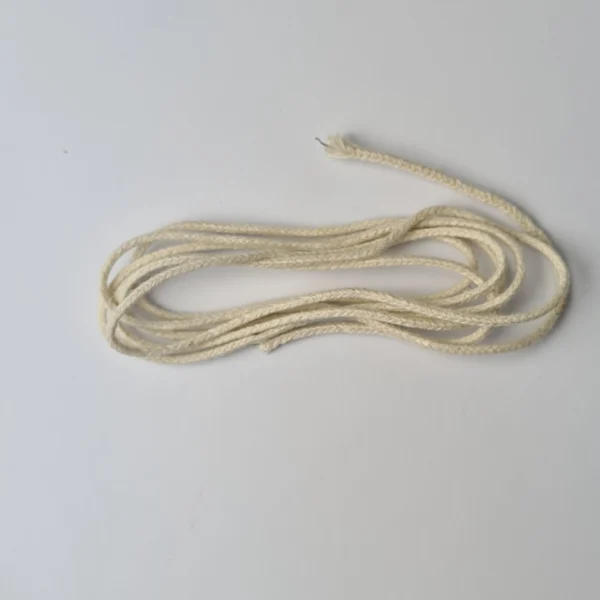 Cotton & zinc wicks
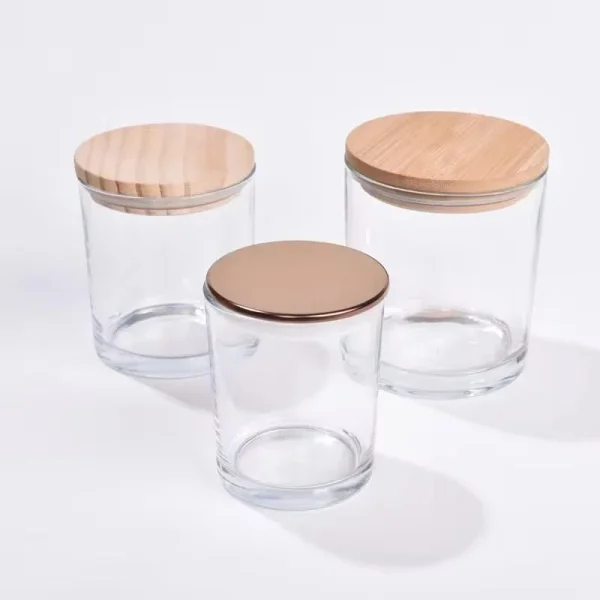 Clear glass candle jar 430 ml

Candles are used as a means of lighting and also as a luxurious decorative element capable of enhancing a feeling of comfort and relaxation. However, if you want to manufacture candles that are safe for your health and the environment, it is important to use safe, natural candles. If you are wondering about the difference between natural and artificial wax for making candles, we have provided you with this article to learn this comparison, clarifying the most important criteria for choosing the best types of candles.
The difference between natural and synthetic wax
Candle making is one of the most prominent processes that combine beauty and practicality, so you must know the difference between natural and artificial wax so that you can choose the safe type for you and your family:
Natural wax:
These types of candles are extracted from natural sources such as beeswax, soy wax, coconut wax, palm wax and others.
Therefore, it is considered safe and environmentally friendly and contains pleasant natural scents. It also melts at low temperatures so it is easy to use. It also burns slowly so it gives you longer time to enjoy the candle, and is able to retain essential oils well.
Artificial wax:
It is extracted from petroleum derivatives and is one of the most widely used types of candles in the world. It is characterized by its rapid melting and ease of formation. It is available at a low cost, so it is considered an economical option for large quantities and is therefore widely available.
But on the other hand, it is not environmentally friendly and may release fumes when burning if it is not a high-quality type. It also burns more quickly compared to natural wax.
What are the most prominent types of natural candles?
Now that we know the difference between natural and artificial wax, let us discover together the most famous types of natural candles:
- Beeswax: It is extracted from beehives and no harmful substances are added to it. The candle burning process lasts for long hours. It is also an environmentally friendly type that decomposes easily, reduces pollution, and does not release any chemical odors.
- It is characterized by its warm and elegant golden yellow color. It purifies the atmosphere of impurities and is considered an ideal choice for relaxation.
- Soy wax: It is extracted from soybean oil. It burns for a long time, but less than beeswax. It is plant-based, biodegradable, and free of toxic substances.
- It is able to retain essential oils well, and is considered a safe option for pregnant women and children. It has a light, soft color and the ability to be colored. It is available at a lower cost than beeswax. It is ideal for use in relaxation sessions.
- Coconut wax: It is prepared from natural coconut oil, and is characterized by its slow and clean burning, but faster than beeswax and soy wax. It is considered a sustainable option and melts nicely and leaves a clean effect. It is distinguished by its distinctive scent in distributing perfume.
- It comes in a luxurious, creamy form with a smooth texture, but is available at a high cost due to its high-quality production, and is ideal for use in luxury candles and home fragrances.
Read also: What is beeswax for candles?
Where do I find the best safe candles?
You will find everything you need to make candles in the candle supplies store. All candle making supplies are of high quality and at a competitive price. Therefore, it is available in the soy candles section:
Soy candle diffusers

Do not hesitate to order the completely natural and safe diffuser soy wax, as it is manufactured entirely from vegetable materials. It absorbs essential oils at a rate of up to 15% to provide a strong and stable scent when the candle is lit. It is distinguished by its smooth, creamy surface to provide a homogeneous and attractive appearance to the candles. It is also excellently compatible with dyes and essential oils, and ensures a strong diffusion of the fragrance, whether melted or solid.

Raw palm wax

Palm wax is raw from natural and renewable sources, as it is extracted from palm fruit oil, so it is considered an environmentally friendly and biodegradable option. It is characterized by its clean burning compared to paraffin wax to ensure the reduction of smoke emissions. It is characterized by its pure, non-greasy texture, so it is considered an ideal choice for manufacturing scented candles. Its melting point ranges between 53 – 56 degrees Celsius, so it is easy to pour and shape. It also has a capacity to carry 10% essential oils. To ensure strong odor emission.

White beeswax

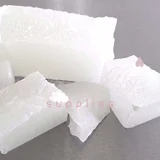
White beeswax is one of the best types of beeswax for candles, as it has high purity thanks to its extraction from beehives without any artificial additives. It is multi-use, so it is used in the manufacture of cosmetics, candles, and skin and body care recipes. It is also characterized by its soft texture and firm texture, so it melts easily and provides ideal results when used. It also enjoys clean burning and low smoke.

How to choose the best types of wax for making candles
After we discovered together the difference between natural and synthetic wax, it is important to know how to choose the best types. This step is one of the most important steps in manufacturing a successful, beautiful and sustainable candle:
Purity of combustion
Choose a wax that burns slowly and cleanly without causing any smoke or air pollution, such as beeswax or soy wax.
Natural wax
If you are one of those people who care about the sustainability of the environment around you, be sure to use healthy, safe, biodegradable natural wax that does not emit any harmful substances.
Retain essential oils
If you want to make aromatic candles, choose candles that have a high ability to absorb essential oils and distribute them in a balanced manner.
Burning duration
The longer the candle is able to burn, the higher the quality of the candle, so choose the type that suits the type of use you want.
Type of candle manufactured
Each type of pillar, tealight, or jar candle requires different properties, so choose the appropriate type of candle to ultimately make in terms of melting point, hardness, scent stability, and color.
Mixing types of wax
If you want to enhance performance and quality, mix different types of raw wax, such as soy wax and paraffin wax, or coconut wax and soy wax, and others.
The most important frequently asked questions about the difference between natural and synthetic wax
[sc_fs_multi_faq headline-0=”h3″ question-0=”What is the best type of mold wax?” answer-0=”Soy wax and paraffin wax are the most common types. Soy wax is sustainable and easy to clean, while paraffin wax provides ideal shine and quick melting.” image-0=”” headline-1=”h3″ question-1=”What are the components of wax making?” answer-1=”It is usually manufactured from paraffin wax, soy wax, beeswax, coconut wax, or others. Essential oils are also provided if you wish to manufacture aromatic candles, suitable dyes, and decorative tools.” image-1=”” headline-2=”h3″ question-2=”What are the main sources of wax extraction?” answer-2=”Animal sources such as beeswax, amber wax, and others, and plant sources such as palm wax, soy wax, and industrial sources such as petroleum from which paraffin wax is extracted.” image-2=”” count=”3″ html=”true” css_class=””]
It is worth noting that natural wax is the best option for manufacturing candles that are safe for the health of individuals and the environment. High-quality industrial candles can also be used to be less harmful. By knowing the difference between natural and synthetic wax, determine your needs and choose what suits the wax you want to manufacture.
Have a question about this topic? Our team is ready to help on WhatsApp, or read the candle-making guide.