

 Coconut wax blend
 Soy wax pellets for molds
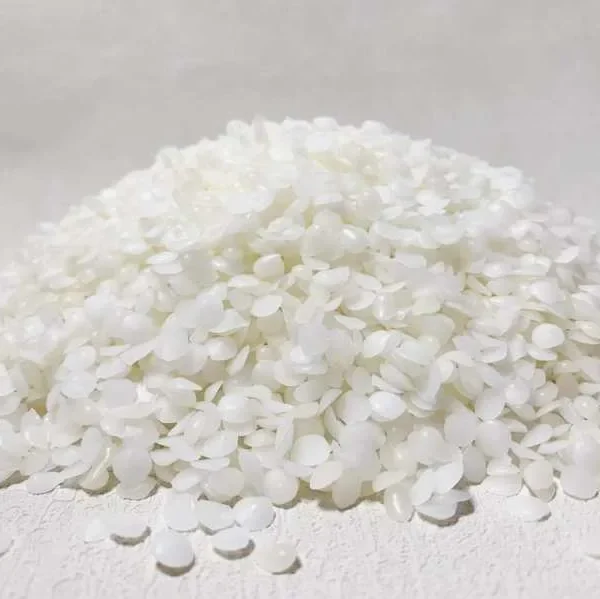 White beeswax
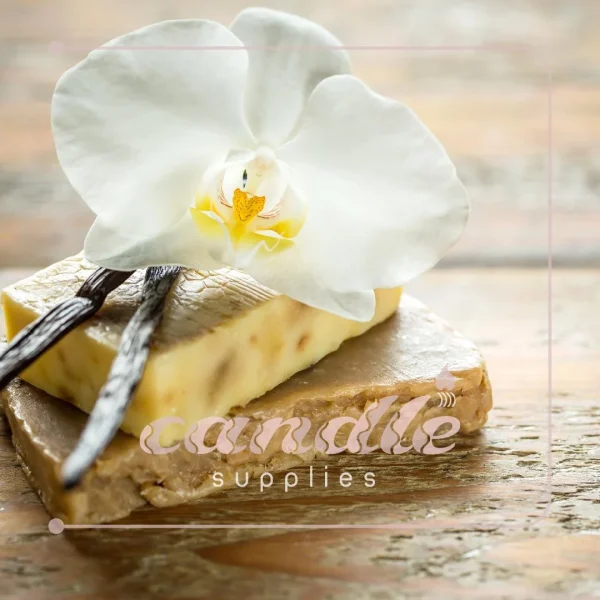 VANILLA
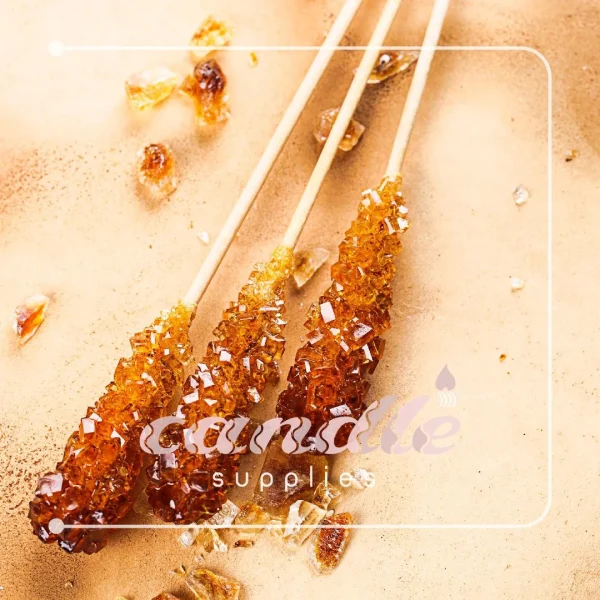 Amber
 WHITE MUSK
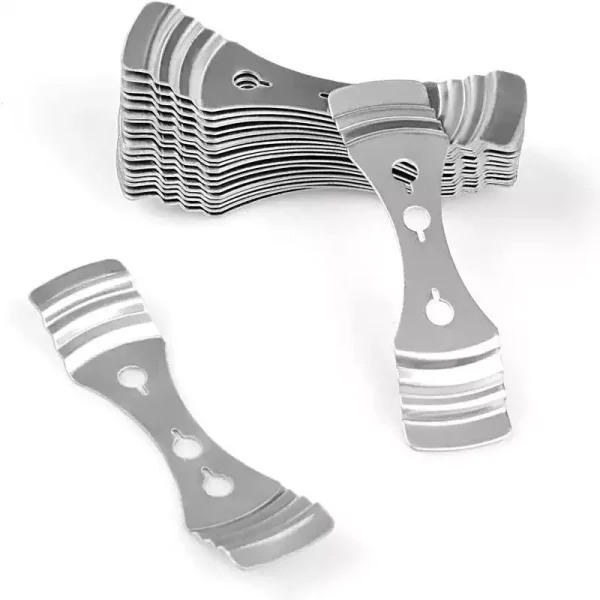 Metal wick holder
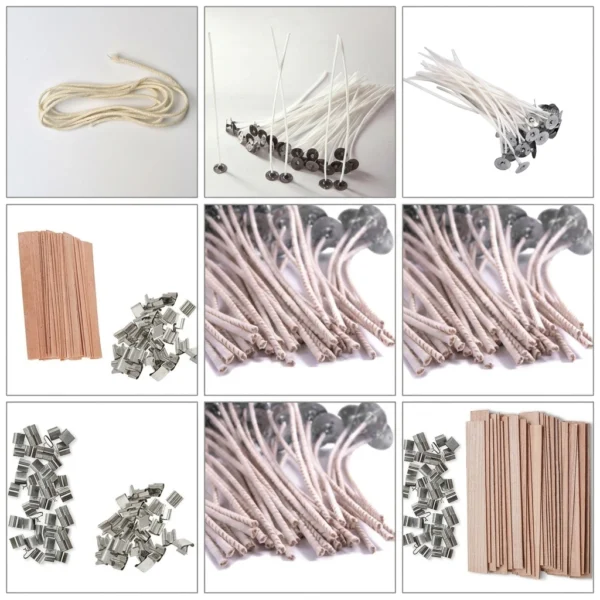 Assorted wick samples
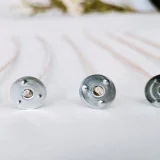
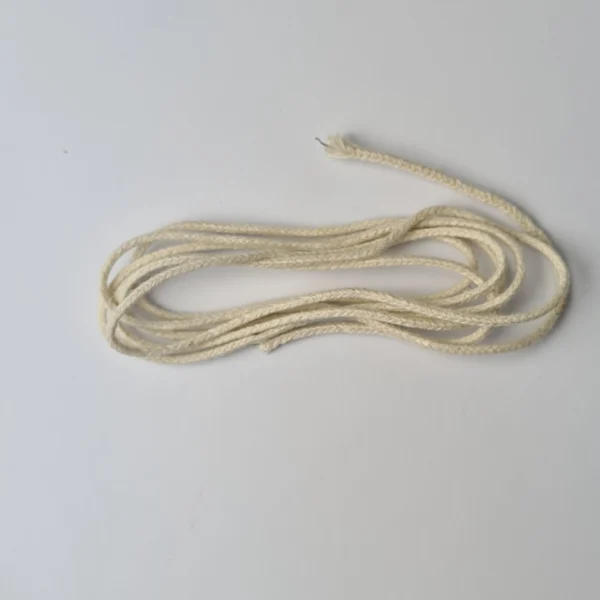 Cotton & zinc wicks
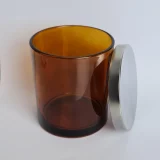
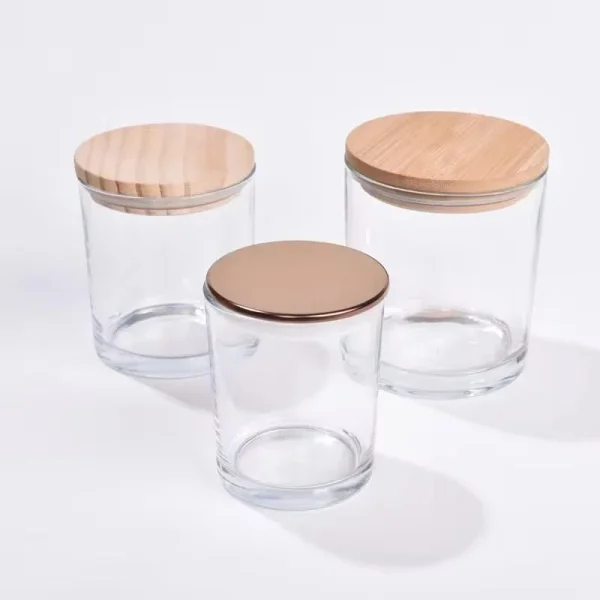 Clear glass candle jar 430 ml

Paraffin wax stands out as one of the best common and effective options used in many industries, but it is important to know some details, such as the melting point of paraffin wax, as it is not just technical information, but rather one of the basic steps that determine the suitability of wax for different uses, so let us today explore how to determine the ideal melting point for candles and learn about the uses of paraffin wax in general.
What is paraffin wax and its most important uses?
Paraffin wax is extracted from petroleum through precise processing processes for petroleum jelly, and it has become produced using advanced industrial methods. The most important thing that distinguishes it is the wide range of its melting point, which ranges between 46 – 68 degrees Celsius, so it is able to adapt to different uses. It is characterized by its pure form, odorless, and highly flammable. It does not dissolve in water but dissolves easily in organic solvents such as ether and benzene. It has a solid form at room temperature, but it becomes flexible and sticks. On surfaces if exposed to high heat. Among the uses of paraffin wax are:
Candle making:
One of the basic tools for most types of commercial candles, especially those that need stable burning and an attractive appearance. Stearin can be added to increase the transparency of the candle and improve its properties as well.
Cosmetics:
It is used to moisturize and soften the skin. It also helps in lightening the color of the hands and treating cracks and scars. It can be included in the formulations of Vaseline, lipstick, and hair care products as well.
Medical uses:
It is used in heat therapy sessions for the hands and feet. It works to relieve muscle stiffness, arthritis, spinal pain and rheumatoid arthritis. It also contributes to stimulating blood circulation in patients with hemiplegia and motor disabilities.
Food industries:
It is also used in wrapping foods to protect them from moisture and mold. It adds a shiny and attractive touch to fruits and chocolate. It is also one of the basic ingredients in the gum industry, and it has a role in stabilizing some foodstuffs and maintaining their texture.
Agriculture and other industries:
It can be used in the fertilizer industry as an anti-caking material to facilitate storage and transportation, and it is used in industries such as shoes, furniture, electrical wire insulation, cigarette packaging, waxed paper, the manufacture of explosives, and others.
You can see: What is paraffin wax?
Melting point of paraffin wax
Due to the many properties of paraffin wax, it is used in many different uses. It is not a pure substance with a fixed melting point as in simple chemical compounds, but rather a complex mixture of hydrocarbons. Therefore, the melting point of paraffin wax cannot be expressed in a single number, but rather it is determined according to a specific moment on the cooling curve during a process called the operational melting point. Therefore, its melting point depends on:
- The petroleum fraction extracted from it: The heavier the crude fraction, the higher the melting point of the resulting wax.
- Residual oil content: The higher the percentage of oil in the wax, the lower its melting point, giving it a softer and less hard consistency.
One of its most notable features is that the melting point of paraffin wax in general can range between 120 and 160 degrees Fahrenheit (about 48-68 degrees Celsius), which is one of the advantages that contribute to its flexibility and ease of use in thermal applications, but the range of melting degrees varies depending on its type and use as well:
Low-melting paraffin “53°C or 127°F”
It is used in the manufacture of candles in cans thanks to its high flexibility and long-lasting aromatic stability, but it requires more care in processing due to the smoke produced and the speed of melting.
Medium melting paraffin “between 53–63°C or 127–145°F”
It is ideal for making cast candles, as it retains its shape well, resists deformation, and can be supplemented with additives to improve its properties.
High-melting paraffin “63°C or 145°F”
It is used in carved or cylindrical candles and luxury gifts, and is naturally hard and resistant to thermal breakdown so it is suitable for candles that require rigidity and a stable shape.
The pouring temperature of paraffin wax generally ranges between 54-65°C (130-150°F), so it is a crucial factor that determines the quality of the final candle, as pouring at inappropriate temperatures may cause cracks, internal voids, or a loss in the strength of the scent as well.
How to melt paraffin wax completely safely
After we learned about the melting point of paraffin wax, let me tell you that this process is not just a technical procedure, but rather a process that requires a precise understanding of the properties of the material and concern for safety standards, as it can turn from a safe substance into a dangerous source if it exceeds the flash point (the temperature that leads to the ignition of vapors), so follow the following:
- Use dedicated equipment equipped with a thermostat and accurate gauges.
- Make sure the work area is well ventilated to reduce exposure to fumes.
- Equip the area with extinguishers and fire blankets.
- Train your employees in emergency plans.
- Avoid direct or rapid heating.
- Do not leave melted wax unattended.
The best stores that provide paraffin wax with exceptional quality
The candle supplies store provides you with a selection of the best types of paraffin wax:
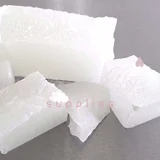
Paraffin wax

Paraffin wax is one of our best options, as it is a waxy substance resulting from the refining of crude oil. It is one of the most widely used types in the candle industry. It is characterized by its hardness, white color, and is odorless. It gives the candles a clean and even burn. It comes in the form of slabs for easy handling. The melting point of paraffin wax ranges between 58 – 62 degrees Celsius, and thus it is your ideal choice for casting and shaping operations. It has the ability to absorb essential oils well, which can reach up to 6% to ensure even distribution of scent.
It is used in the manufacture of pillar candles, shaping candles in molds, whether made of silicone or metal, and manufacturing decorative candles, but it is not suitable for container candles.
Paraffin wax granules

Paraffin wax granules are available in different sizes so you can easily choose what suits your needs. It is ideal for use in various applications as it is extracted as a by-product when refining crude oil. It is distinguished by its solid and pure composition to give the candles a clean and stable burn. Thanks to the granular shape that it comes in, it is easy to use in various molds and absorbs perfumes in an ideal proportion. Its properties can also be modified by adding an appropriate percentage of stearic acid to give it additional hardness and an attractive shine and reduce bubbles as well.
Hardened stearic wax

Hardened stearic wax is your ideal choice for use as a hardener when mixed with paraffin wax to enhance its shine and increase its hardness and degree of opacity as well. It improves the quality of the candles and makes them more durable to ensure balanced burning without any cracking. It also prevents the appearance of greasy spots on the surface of the candle, so you can add a percentage ranging between 10 – 15% of it to the paraffin wax after it has completely melted at a temperature of 75 degrees Celsius, and stir the mixture well until the acid is completely dissolved and homogeneous. Ideally with wax, then pour the wax into molds and let it cool until you get strong, perfect-looking candles.
What are the types of paraffin wax according to the degree of hardness?
There are many types of paraffin wax and its uses as well, so after we learned about the melting point of paraffin wax, let us review its types that are classified according to the degree of its hardness and the oil content in it:
- Soft paraffin wax: It is extracted at low pressure and has a boiling point between 76-154 degrees Celsius. It includes:
- Brittle wax: It is characterized by its raw, unrefined form and is distilled at a temperature ranging between 27-38 degrees Celsius. It contains a relatively high percentage of oil and is used as a preliminary stage in refining processes.
- Leach wax: It is characterized by its hardness at low temperatures (16 degrees Celsius), and it is widely used in the paper, textile and polishing materials industries.
- Medium-soft paraffin wax: It combines hardness and softness and is ideal for applications that require moderate properties. Its types include:
- Scale wax: It is available in white as it contains less than 4% of oil, while yellow contains no more than 2% of oil. Scale wax is generally used in the manufacture of luxury candles and food and cosmetics packaging.
- Solid paraffin wax: It is one of the purest and hardest types, because it contains a very small percentage of oil. It is produced through precise oil removal processes such as the leaching process, and it is used in applications that require thermal stability and durability.
The most important frequently asked questions about the melting point of paraffin wax
[sc_fs_multi_faq headline-0=”h3″ question-0=”What is the freezing point of paraffin wax?” answer-0=”The freezing point of paraffin wax is about 53 degrees Celsius, which is when the wax begins to transform from the liquid state to the solid state.” image-0=”” headline-1=”h3″ question-1=”Does paraffin wax conduct electricity?” Answer-1=”Paraffin wax compounds do not conduct electricity due to their thermal storage and electrical heating functions.” image-1=”” headline-2=”h3″ question-2=”Why do we measure the temperature of the wax?” answer-2=”The process of measuring and melting the wax is one of the essential steps in achieving the final results you desire.” image-2=”” count=”3″ html=”true” css_class=””]
Finally, in this article, we have learned about the melting point of paraffin wax. We have also learned about the range of melting degrees that vary according to its type and use. If you want to obtain the finest types of paraffin wax, our store is your first destination to get it at the best prices.
Have a question about this topic? Our team is ready to help on WhatsApp, or read the candle-making guide.