




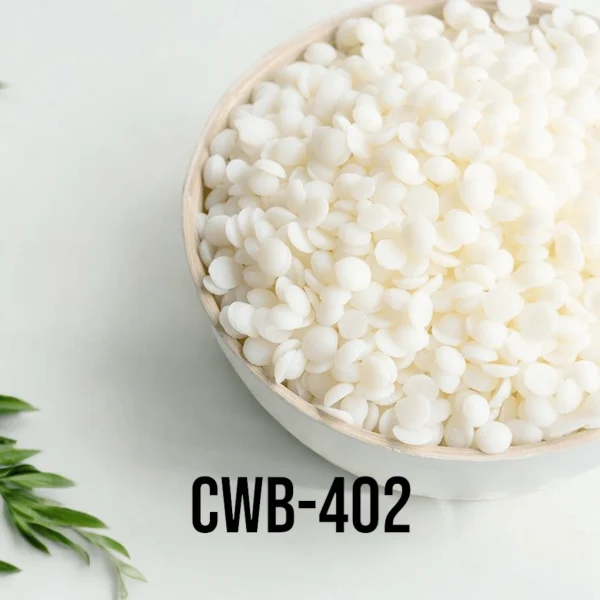
 Coconut wax blend
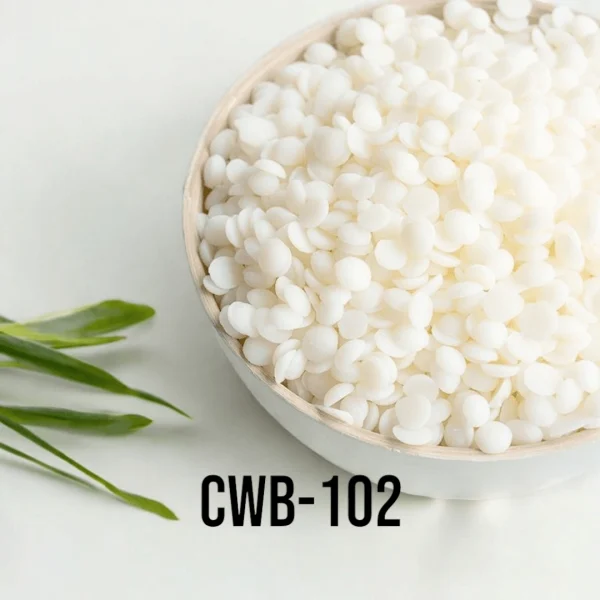 Soy wax pellets for molds
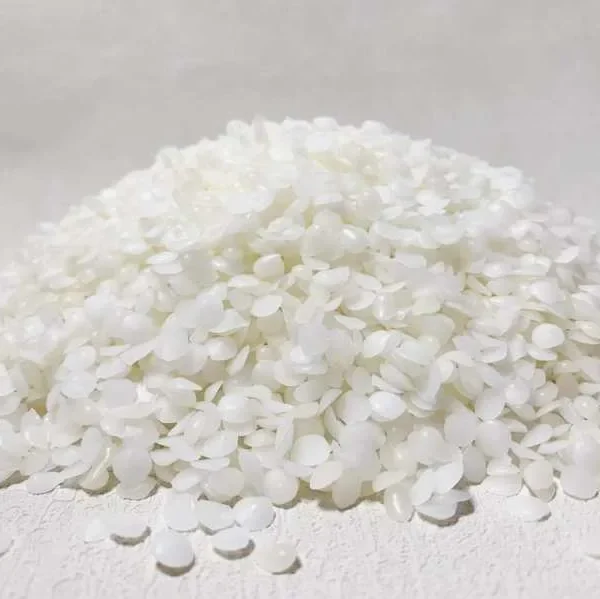 White beeswax
 VANILLA
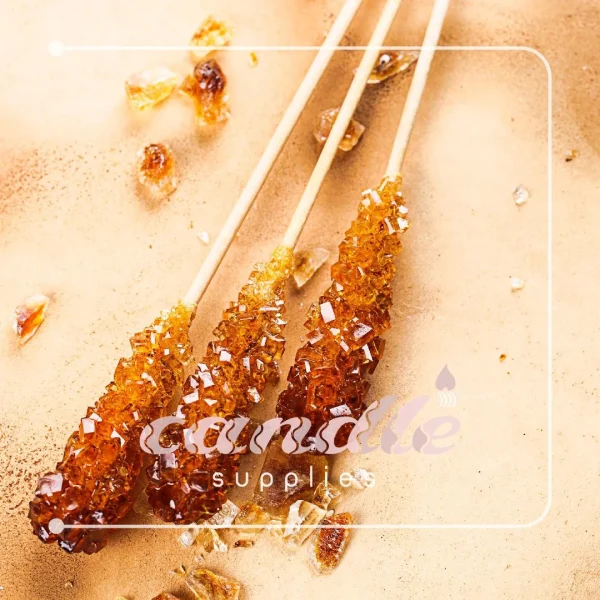 Amber
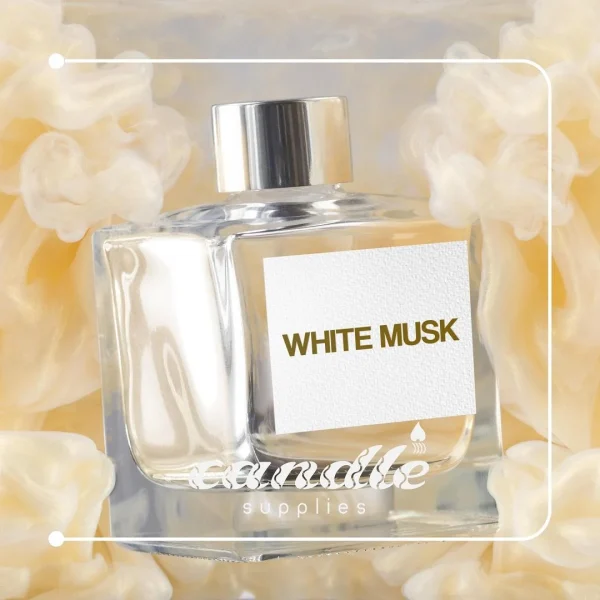 WHITE MUSK
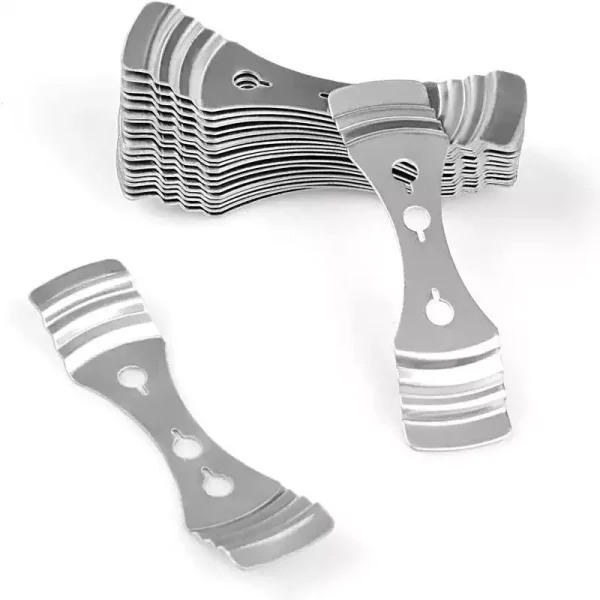 Metal wick holder
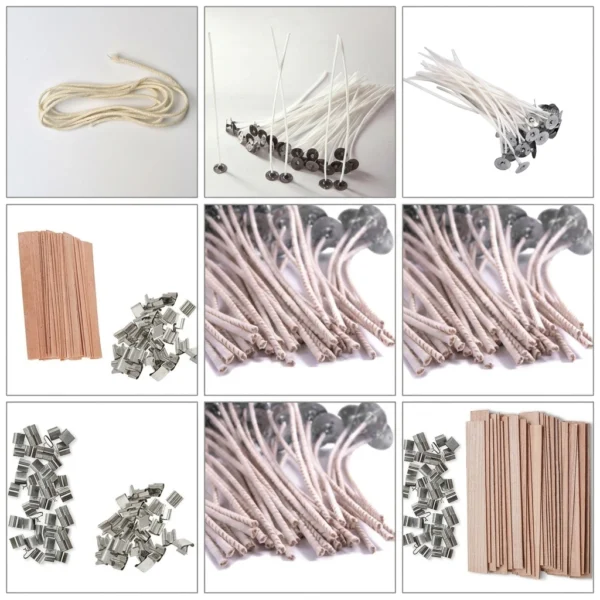 Assorted wick samples
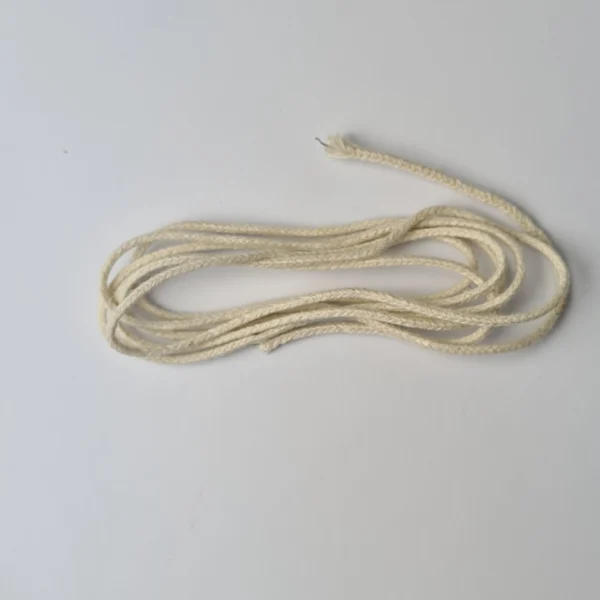 Cotton & zinc wicks
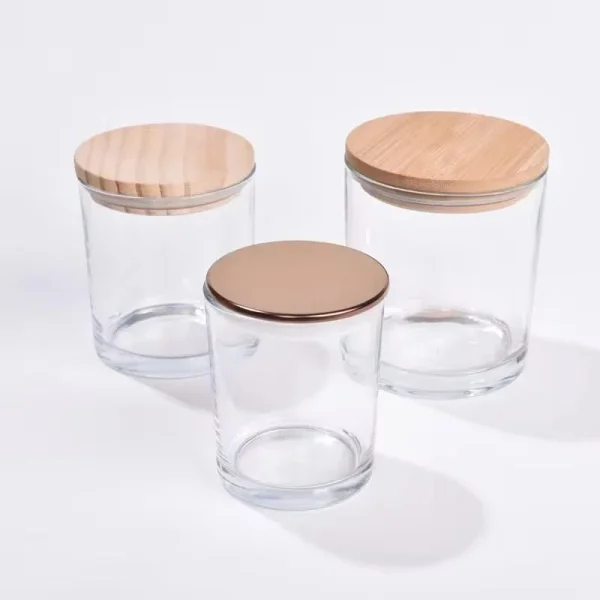 Clear glass candle jar 430 ml

Have you ever wondered about the distinctive colors that decorate decorative or aromatic candles? There are many colors used to decorate various products, from cosmetics to hand-made works of art, so mica and pigment colors stand out as one of the best main colors used in this.
Today, through this article, let us review the difference between the colors of mica and pigment, while learning about the most important advantages and disadvantages of each type.
Types of mica and pigment colors
The colors of mica and pigment vary to meet the needs of different industries. Let us review them until we discover the difference between the colors of mica and pigment:
Mica colours:
- Mica colors are extracted from the natural mineral mica, which is a silicate mineral and is characterized by its natural pearly luster.
- The types of mica are divided mainly according to the size of the particles and the degree of shine. Some are very fine and some are rough to give the effect of glitter.
You can see: What are the colors of mica?
Pigment colours:
- It is classified into two main types: organic pigment and inorganic pigment.
- Organic dyes are derived from carbon compounds and are characterized by their bright, pure colors, but they may be less stable in some conditions.
- In contrast, inorganic dyes are extracted from mineral compounds such as iron and chromium oxides.
- It is known for its high stability and ability to withstand light and heat.
- They usually come in earthy and natural colours.
The difference between the colors of mica and pigment
A group of basic differences determine the nature of the use of both mica and pigment colors and the effect that each has. The following points explain the difference between mica and pigment colors to help you choose the appropriate color for your next project:
Composition and source:
Mica is made from natural mica mineral powder coated with metal oxides, which gives it its distinctive shine, while pigments are chemical compounds, either organic or inorganic, which are solid particles that do not dissolve in the medium to which they are added.
Solubility and diffusion:
The way each type interacts with different media is different. Mica colors do not actually dissolve, but rather remain suspended in the medium like resin or wax, and this suspension shows light and produces shine. As for pigment, it also does not dissolve, but rather disperses and spreads in the medium to color it completely and opaquely.
Visual effect and transparency:
Mica is known for its pearly and shiny effect, as it reflects light and gives sparkle and attractiveness. It tends to be transparent to semi-transparent. In contrast, pigment colors provide an intense and opaque color without any shine, which makes it ideal for creating clear and strong colors.
Color fastness:
Some pigment colors, especially in the manufacture of cold soap, tend to migrate or color bleed, as the color moves from one layer to another over time. As for mica colors, they do not migrate in the same way, and therefore they are preferred for designs with multiple colors and layers.
Use in transparent applications:
Mica colors shine best in transparent bases such as clear glycerin soap or epoxy resin, as the transparent medium allows light to pass through and reveal its luster, while pigment may make these same bases completely opaque.
Cost:
Mica colors can sometimes be more expensive than some basic types of pigment, especially types with special and variable color effects.
Stability in alkaline environment:
In the cold process soap industry, which is characterized by its high alkaline environment (High PH), some mica colors are more stable than some organic pigment colors, which may change color or fade.
What are the advantages and disadvantages of mica and pigment colors?
Now that we know the difference between mica and pigment colors, mica and pigment colors carry a set of advantages and disadvantages that determine their suitability for a specific application. The following are the most important advantages and disadvantages:
Features:
- Mica colors: Mica colors are characterized by their attractive natural shine and their ability to create unique visual effects. They are also stable and do not cause color migration in the soap industry, which is why they are suitable for complex designs.
- Pigment colors: They provide tremendous coloring strength and intense, opaque color. They are ideal for obtaining bold, uniform colors. The inorganic types also have high stability against light and heat.
Disadvantages:
- Mica colors: They may precipitate in liquid molds if they are not mixed well, and their bright effect almost disappears in opaque bases such as soy wax or white soap bases, in addition to the resistance of the wick flame and its inability to burn the wax properly.
- Pigment colors: some types tend to migrate colors, and may require careful mixing to avoid the appearance of unwanted spots or dots in the final product. They also do not give any shine or sparkle.
Suggested products from Candle Supplies Store
Now that we know the difference between the colors of mica and pigment, it is known that the candle supplies store for all candle making supplies provides most of the needs of candle making enthusiasts and professionals in terms of high-quality materials and tools to create unique and distinctive candles. The store is distinguished by a wide variety of candle colors that add sophisticated artistic touches to the candles, and help in transforming every simple idea into an elegant and dazzling piece of decor. The store offers a variety of colors that suit various projects:
Orange candle dye

Dyeing orange candles is considered one of the best ways for candle making professionals and amateurs, as it gives a warm touch and striking radiance to the final product. It is also characterized by ease of melting and homogeneity with various types of wax, in order to ensure a balanced coloring without stains or unwanted changes. In addition, the color maintains its stability for long periods without being affected by heat or light, and is therefore suitable for both commercial and personal use. It also does not interfere with the properties of the candle in terms of smell or combustion, that is, it is considered Safe and ideal for making personalized candles for home settings or special occasions.

Turquoise candle dye

Dyeing candles in a dark turquoise color gives you a sophisticated touch inspired by the calmness of the seas and the clarity of the atmosphere. It also gives the candles an attractive appearance thanks to its high stability and clear shine. In addition, it mixes easily with various types of wax without causing clumps or affecting the quality of combustion. It is also distinguished by its safe composition and free of harmful substances, so it is suitable for home or commercial use without worry.

Oud color candle dye

It is also one of the wonderful dyes. Oud dye gives candles a luxurious touch that combines sophistication and simplicity. It is also characterized by a deep color tone that maintains its luster without fading over time. In addition, it blends seamlessly with most types of wax without leaving any clumps or deposits, giving the candle a uniform color and a consistent appearance. It is also considered a safe composition and free of harmful substances. Therefore, it is suitable for home or commercial use, especially in candles that are used as gifts or on special occasions.

The most important frequently asked questions about the difference between the colors of mica and pigment
Can I mix mica colors with pigment in the same product?
Yes, you can certainly mix the two types together, and many craftsmen do this to get creative effects. For example, you can use pigment color to give a strong, opaque base color, then add mica color of the same shade to give a touch of shine and sparkle to this opaque color.
Why is mica deposited at the bottom of my candle?
This happens because mica is small mineral particles that do not dissolve in the wax but remain suspended. If the wax is too liquid or poured at a very high temperature, or if the amount of mica is large, gravity pulls the heavier particles down before the wax hardens.
Are mica and pigment colors safe to use in cosmetics?
This depends on the type of color specifically, and you must always make sure that the color you buy is safe for cosmetic use or “Cosmetic Grade.” Some pigment and artificial mica colors may contain ingredients that are not safe for use on the skin, especially around the eyes or lips. Always check the product specifications from the supplier before using it in any cosmetic product.
In conclusion, both mica and pigment colors are powerful tools in the hands of any craftsman or maker, and by learning the difference between mica and pigment colors, this is the key to unleashing creativity and achieving the desired results with precision and professionalism, whether in a candle that lights up your home, an artistic piece of soap, or any other product you seek to add your color fingerprint to.
Have a question about this topic? Our team is ready to help on WhatsApp, or read the candle-making guide.