



 Coconut wax blend
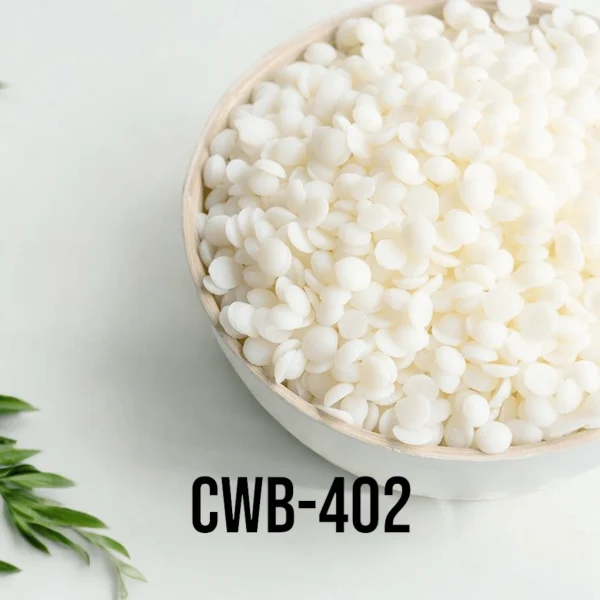
 Soy wax pellets for molds
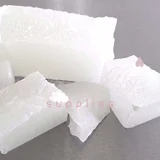
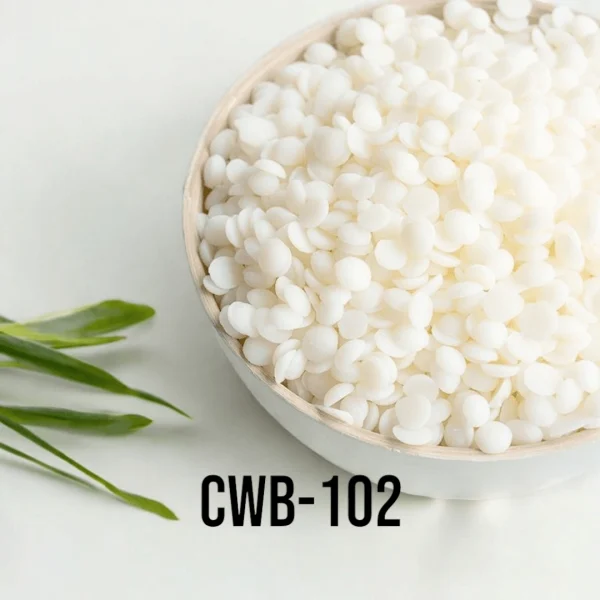
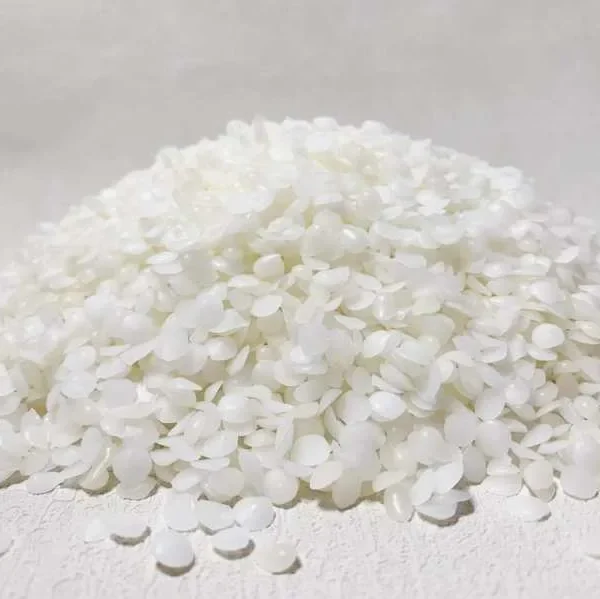 White beeswax
 VANILLA
 Amber
 WHITE MUSK
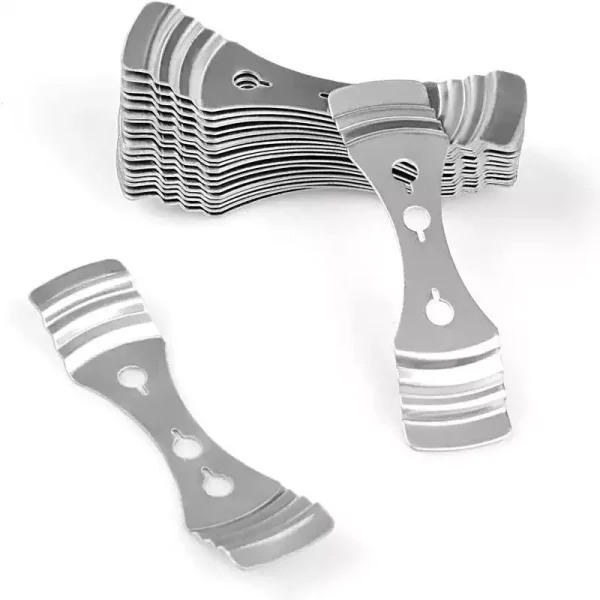 Metal wick holder
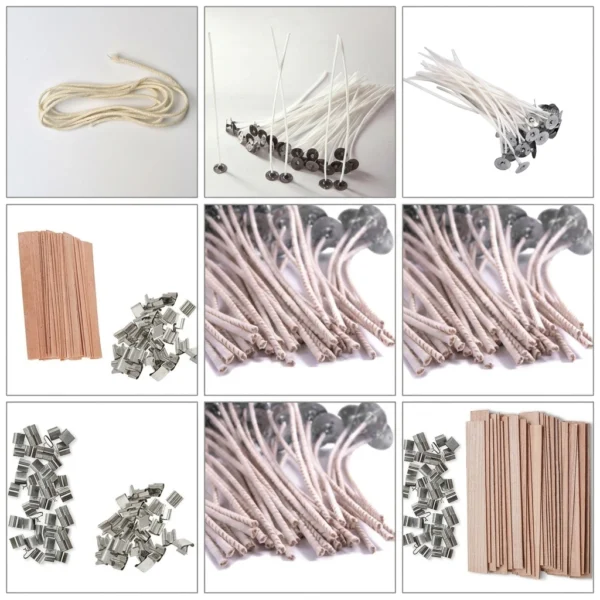 Assorted wick samples
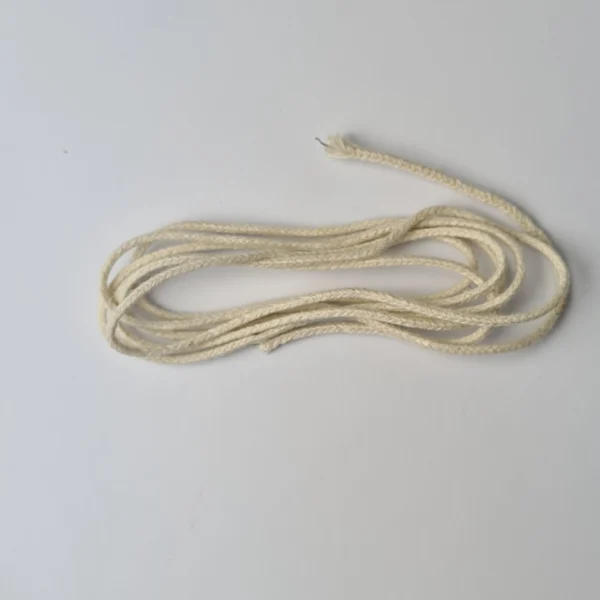 Cotton & zinc wicks
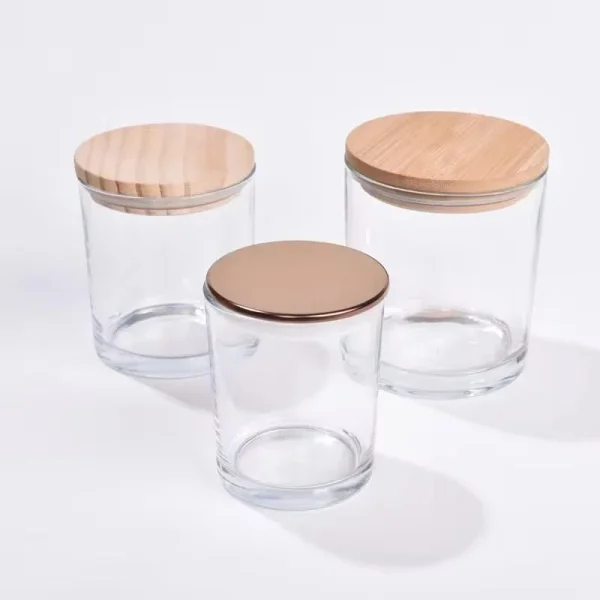 Clear glass candle jar 430 ml

Candles are essential and distinctive elements that add an atmosphere of warmth and beauty to various spaces. They have been used since ancient times in many fields, whether medical, cosmetic, lighting, decoration, etc. But do you know where wax is extracted from?
In this guide, we learn together about the sources of wax extraction depending on its type, and we also learn about the types of raw wax in general.
What is wax?
Before we answer the question of where wax is extracted from, let me tell you that it is a solid fatty substance characterized by its ability to resist water and provide a layer of protection for surfaces. It is used in various fields such as manufacturing candles, polishing materials, waxed paper, and surface coatings. When heated, it turns from a solid state to a liquid state, but when cooled it returns solid again.
It has been used for thousands of years in religious and spiritual rituals, and has been considered a sacred substance due to the aromatic aroma it releases when ignited.
What is the chemical composition of wax?
It consists of fatty compounds known as lipids, which include long-chain fatty acids linked to a long chain of hydrocarbons and is therefore solid and stable at moderate temperatures.
The types of wax vary according to their sources into three types: mineral, animal, and vegetable. So let us now answer the question of where wax is extracted from.
Where is wax extracted from?
To answer the question of where wax is extracted from, we must learn about the different sources of candles:
Mineral wax
It is extracted from crude oil after processing it to separate the oils from the waxy materials. It includes:
- Paraffin wax: It is characterized by its white color and is odorless. It is widely extracted in the manufacture of candles, paper coatings and crayons as well.
- Microcrystalline wax: Its color is darker than the previous type and its consistency is sticky, so it is used in the manufacture of rubber, cosmetics, and some types of candles.
Animal wax
It is extracted from various animal sources, and the most famous types of waxes are:
- Beeswax: It is secreted by bees to build honeycombs, and is used in the manufacture of natural candles and skin care products.
- Wool wax: It is collected from the fatty layer that covers sheep’s wool, and is used in the manufacture of cosmetics.
- Animal wax: This type is derived from animal fat and is used in the manufacture of some types of soap, candles, and traditional fuel as well.
Vegetable wax
Vegetable wax is extracted from the waxy layers that cover the leaves and stems of plants to protect them from heat and moisture. The most prominent types are:
- Carnauba wax: It is extracted from the Brazilian Carnauba palm, and is used to polish shoes, cars, and floors. It has high durability and perfect shine, even at high temperatures.
- Soy wax: This type of soybean oil is extracted from soybeans. It is an environmentally friendly option and is therefore used in the manufacture of vegetable candles and some cosmetics.
What are the types of raw wax?
After we answered the question of where wax is extracted from, let us now review the types of raw candles, as each type differs in its characteristics, source, and method of use:
Paraffin wax:
It is the most prominent and most widely used, as it is extracted from crude oil refining processes and is available in multiple colors, and comes in different melting degrees, so it is suitable for manufacturing container candles, columns, paper coatings, etc.
It is characterized by its hardness, colorless and odorless. It melts at 43-65 degrees Celsius. It is stable and easy to form, and has multiple uses among different types of candles, cosmetics, and the packaging and polishing industry.
You can see: What is paraffin wax?
Soy wax
It is a natural alternative to paraffin wax due to its complete safety and environmental friendliness. It is extracted from soybean oil after processing it and turning it into a solid form. It comes in the form of granules or slices, has a soft texture, burns slowly, and emits a clean smell.
It is used in making candles inside glasses or glass containers, and it can be mixed with palm wax or beeswax to produce candles with ideal properties.
Beeswax
It is produced naturally by bees to build honeycombs. It is one of the oldest types of wax used since ancient civilizations. It has a natural aromatic scent and is rich in beneficial natural substances. It comes in the form of blocks, sheets, or granules.
It is used in the manufacture of high-quality candles, and is used in the manufacture of natural ointments and skin care products.
Palm wax
It is extracted from palm oil and has a beautiful crystalline surface so it is used in the manufacture of pillar candles or decorative candles. It has a high hardness, appears with a crystal effect when hardened, and is characterized by its slow burning.
Read also: Uses of palm wax.
It is used to make large, elegant candles, and is usually mixed with soy wax to improve the consistency and hardness.
Gel wax
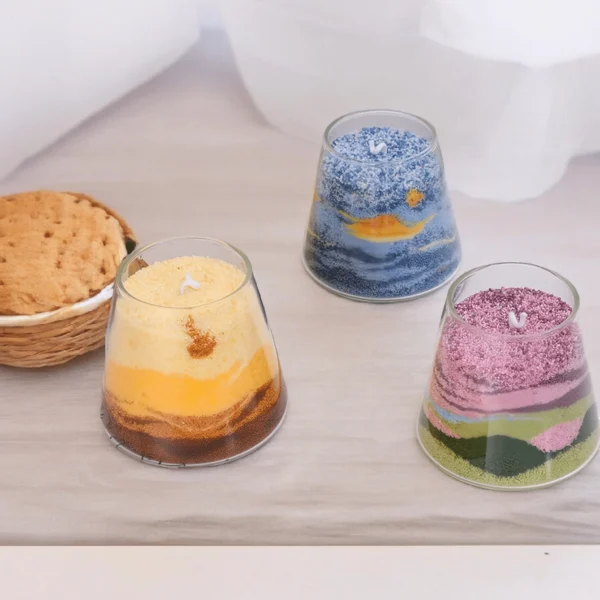
It is a unique type and is manufactured from a mixture of mineral oils and resins. It is completely transparent, so it has an attractive appearance, especially when decorated with colorful shapes inside glass containers. It is slightly sticky, so it needs special wicks.
It is used in the manufacture of decorative glass candles, and for artistic and decorative uses.
Learn: What is gel wax.
The finest types of candles
We now offer a group of the best and finest types of candles that you can use to meet your different needs. They are available at the candle supplies store in the soy wax section at the best prices:
Natural soy wax

Natural soy wax is one of the distinctive options for candle making enthusiasts. It is completely vegetarian and safe due to the ideal method of extracting it from pure soybean oil without adding any synthetic materials. It also guarantees long and balanced burning, which makes it an economical option for us, and it has a high ability to absorb aromatic oils.
Clear gel wax for molds

If you aspire to make transparent candles decorated with luxurious crystals and pearls, do not hesitate to purchase transparent gel wax for molds, which is characterized by its gelatinous and transparent consistency, and its long burning period is twice that of paraffin candles. It is also suitable for use in silicone, plastic, and metal molds, and has a high ability to withstand high temperatures without worrying about losing its consistency. Order it now from the transparent gel wax section in the size you desire.
Paraffin wax granules

Granulated paraffin wax has a solid and pure composition, so it gives your candles a clean and stable burn. It is characterized by its high flexibility in shaping due to its availability in the form of granules, which facilitates the dissolution process. It has an ideal ability to absorb perfumes while ensuring their effective spread. Its properties can be improved by adding 10-15% of stearic acid, which makes it more solid and shiny while ensuring that the bubbles that can occur are reduced. It is available in the paraffin wax section at the best competitive prices.
White beeswax

White beeswax is available in sizes of 500 grams, 1 kilogram, 10 kilograms, and 20 kilograms in our store, allowing you to choose what meets your individual and commercial needs as well. It is 100% natural and pure as it was extracted from beehives. It can be used to manufacture candles, cosmetics, and skin and body care recipes. It is characterized by its soft texture and firm texture.
The most frequently asked questions about where wax is extracted from
[sc_fs_multi_faq headline-0=”h3″ question-0=”Where is wax extracted from?” answer-0=”They are manufactured from plants, oil, and animals. Animal-based waxes consist of wax esters derived from a variety of fatty acids and carboxylic alcohols. As for plant-based waxes, distinct mixtures of non-esterified hydrocarbons may prevail over the esters.” image-0=”” headline-1=”h3″ question-1=”What is the chemical composition of wax?” answer-1=”It is a mixture of esters consisting of long, unbranched chains of alcohols and carboxylic acids, which contain a similar number of carbon atoms.” image-1=”” headline-2=”h3″ question-2=”What is the ideal wax temperature?” answer-2=”It is preferable to pour paraffin wax at a temperature ranging between 70-75 degrees Celsius, while soy wax is poured at a temperature of 60-70 degrees Celsius, and beeswax has an ideal temperature of 60-65 degrees Celsius.” image-2=”” count=”3″ html=”true” css_class=””]
Where is wax extracted from? What is its chemical composition? What are the types of raw wax? We have answered all these questions today, so in order to be able to make safe candles that have a clean and slow burn, do not hesitate to purchase the best products from our store.
Have a question about this topic? Our team is ready to help on WhatsApp, or read the candle-making guide.