

 Coconut wax blend
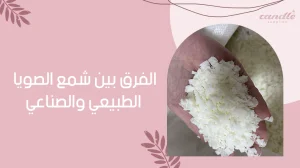
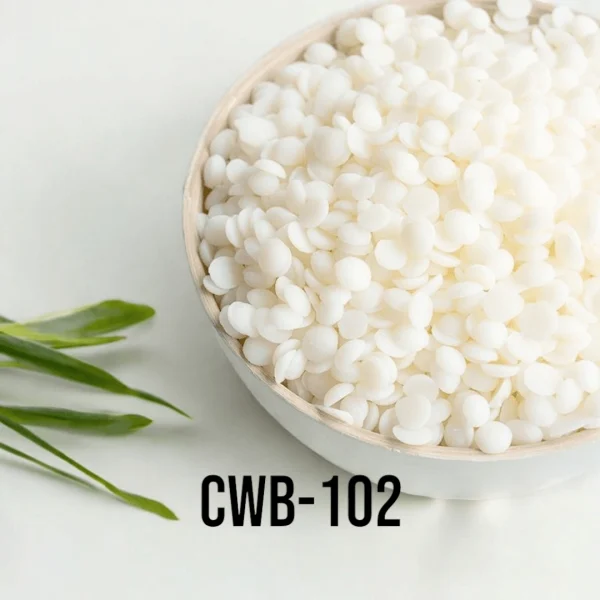 Soy wax pellets for molds
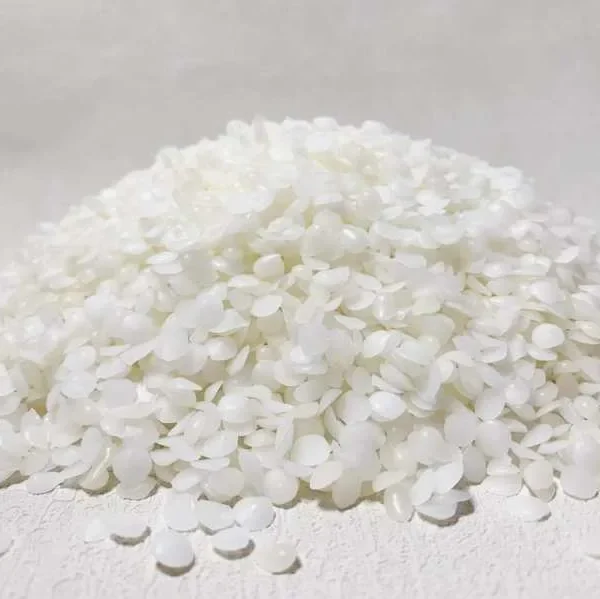 White beeswax
 VANILLA
 Amber
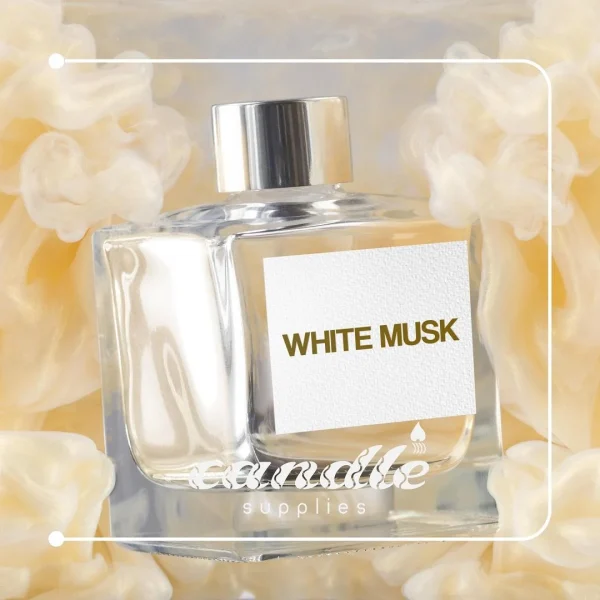 WHITE MUSK
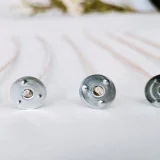
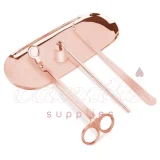
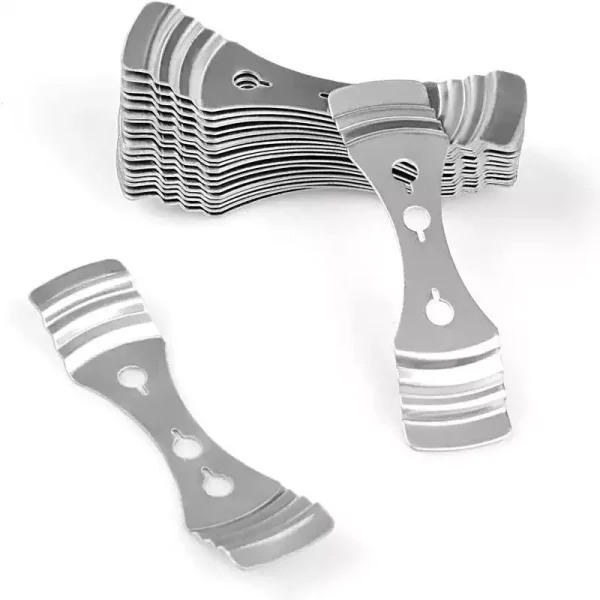 Metal wick holder
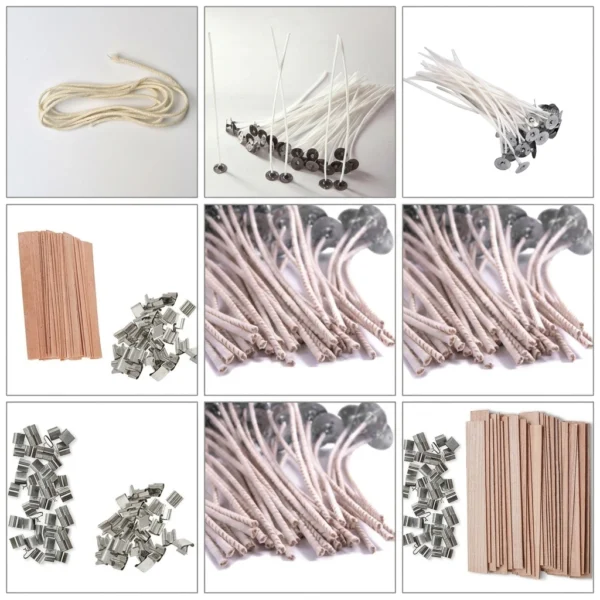 Assorted wick samples
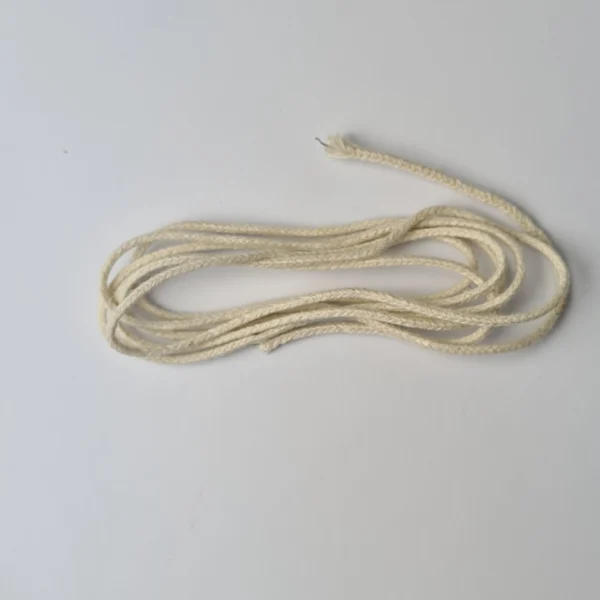 Cotton & zinc wicks
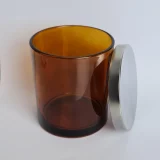
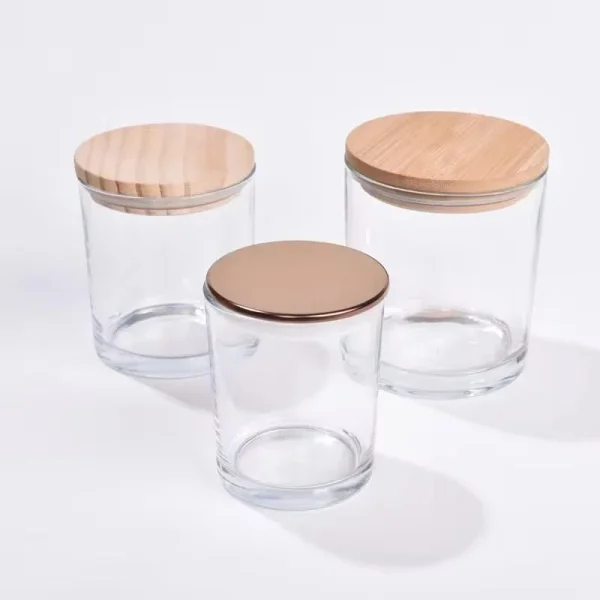 Clear glass candle jar 430 ml

Paraffin wax stands out as one of the most famous types of candles and the most widely used in many different fields, such as industrial, cosmetic, and medical uses as well. It has been known since ancient times and has become an integral part of our daily lives, as it is often used to provide quiet, appropriate lighting in the place. So, what is paraffin wax? What are its uses? Let’s discover it together.
What is paraffin wax?
What is paraffin wax? One of the most common questions on the mind of many people is that paraffin wax consists of a mixture of hydrocarbons extracted from oil or coal. It is extracted through precise processes of crystallization and refining and is characterized by many properties and advantages. It comes in the form of a white wax compound that has no color or smell, so it is more than just a solid material used in the manufacture of candles. Rather, it is present around you. You may find it in masks used for skin care, lubricants, therapeutic materials, and others, thanks to the different percentages of oil in it and thus its multiple degrees of purity. And its physical properties, so it is used in various fields.
What are the types of paraffin wax?
The types of paraffin wax vary depending on the degree of hardness and the percentage of oils contained in it, so after we answered the question of what is paraffin wax, let us get to know its types:
Softer Paraffin Wax
It is characterized by its soft texture and ease of melting. It is distilled at low pressure and its boiling point ranges between 76 – 154 degrees Celsius. This type is used in many industrial and aesthetic applications, and includes:
- Slack Wax: It is extracted at temperatures between 27-38 degrees Celsius, and contains a high percentage of oils. It is the raw material for refined paraffin wax, and is used in wood processing, insulation, and some chemical industries.
- Sweat Wax: It turns into a solid state at about 16 degrees Celsius, and is particularly used in the paper and textile industries as a result of its insulating and moisture-resistant properties.
Intermediate Paraffin Wax
It is the type that provides a balance between rigidity and flexibility, and the most famous types are:
- Scale Wax: It is classified into two types according to its color and the percentage of oil in it:
White: It contains no more than 4% of oils, and is often used in cosmetics and medicinal candles.
Yellow: The percentage of oil does not exceed 2% and is used in industrial applications that require higher resistance to melting.
Harder Paraffin Wax
It is the highest purity type and contains a very small percentage of oil. It is extracted using a leaching technique to ensure the removal of remaining oils from the wax. It is used in fine industries that require solid and stable wax.
Properties of paraffin wax
Paraffin wax is characterized by some physical and chemical properties that make it one of the most widely used wax materials. So, after we learned what paraffin wax is and what its types are, let us review its various properties:
- Pure white color: It is characterized by its pure white color and transparency, and it does not carry any smell, so it is one of the ideal solutions for making aromatic candles and cosmetics.
- Flexible melting point: Its melting point ranges between 46 – 68 degrees Celsius, so its hardness or softness can be easily controlled to suit each use.
- Balanced density: Its density is approximately 900 kg/m³, so it balances lightness and hardness, and thus is stable in shape, and is easy to work with in molds.
- Solubility: It is soluble in organic solvents such as esters, ether, benzene, but it does not dissolve in water and therefore it is an ideal choice for industrial mixtures and chemical applications.
- Ignites quickly: It is characterized by its high ability to burn regularly, so it is one of the ideal options for making decorative and practical candles.
- Unique thermal flexibility: Paraffin wax maintains its solid state at room temperature, and when heated, it becomes soft and flexible, making it easy to shape and color.
Candle supplies for the finest paraffin wax
The Candle Supplies Store offers the best types of paraffin wax, which is carefully made so that you find it colorless and odorless. It is formed into slabs or small granules of different weights to meet all your needs:
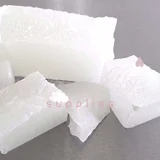
Paraffin wax

Paraffin wax is one of our distinctive options, as it is a waxy substance resulting from the refining of crude oil. It is one of the most widely used materials in the manufacture of candles, as it comes in white color, has perfect hardness, and is also odorless. Our store provides it in different weights, including 1 kg, 10 kg, and 25 kg to meet all your needs. It has high purity, so it gives the candles a clean and even burn. It is easy to handle thanks to the shape of the plates it comes on. It also has the ability to absorb essential oils at a rate of up to 6%.
Its melting point ranges between 58 – 62 degrees Celsius, and therefore it can be used for casting and shaping processes. As for its burning point, it reaches 220 degrees Celsius, and its hardness and shine can be easily adjusted. It is used in various uses such as making pillar candles, forming candles in molds, or even manufacturing decorative candles, but it is not suitable for container candles.
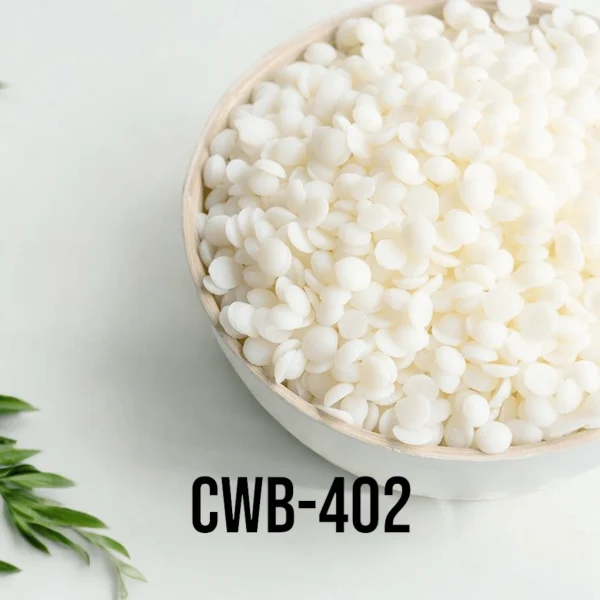
Paraffin wax granules

Granulated paraffin wax comes in the form of granules, so it is easy to use in various molds. It is distinguished by its solid and pure composition, which ensures clean and stable burning. It absorbs perfumes at a high rate to ensure the stability of the scent and its effective spread. Its melting and combustion temperature give the candles a longer fragrance and uniform burning. Its properties can be easily improved by adding 10-15% of stearic acid.
Do not hesitate to order it now so that you can use it to make candles that come in the form of pillars. It is also suitable for use in silicone, metal, and plaster molds. It can also be colored and molded into innovative shapes to add a beautiful touch to the decor. It can be used to make aromatic and decorative candles that are used for gifts and various occasions.
Hardened stearic wax

Hardened stearic wax is one of our distinguished options thanks to its high durability, which reduces the possibility of breakage or cracking. It also improves the final appearance of the candles, helps achieve a more intense color and reduces the transparency of the wax, improves the quality of burning as well, and reduces the appearance of greasy spots on the surface of the candle, so you can add an appropriate percentage of stearic acid to the paraffin wax to get the best results.
It is recommended to melt the paraffin wax completely at 75 degrees Celsius, then stir the mixture until the stearic dissolves completely, and finally pour the wax into the molds and leave it until it cools, and finally you will get strong candles with an elaborate appearance.
Benefits of paraffin wax
It is one of the suitable options for many industries thanks to its various practical and aesthetic advantages, so it:
- It is able to retain scents when the candle is lit or even when it is extinguished, so it can be used to create a wonderful, long-lasting scent.
- Thanks to its multiple melting points, it can be shaped and manufactured into various shapes and sizes.
- Due to its transparency, it is easy to dye and thus produces candles with bright, consistent colors that last for long periods.
- It is also available at an economical cost and is suitable for all budgets and is therefore an ideal choice for small and large projects as well.
The most important frequently asked questions about what paraffin wax is
[sc_fs_multi_faq headline-0=”h3″ question-0=”What are the types of paraffin wax?” answer-0=”It is divided into soft paraffin wax, medium soft paraffin wax, and hard paraffin wax.” image-0=”” headline-1=”h3″ question-1=”What are the best properties of paraffin wax?” answer-1=”Its melting point ranges between 58-62 degrees Celsius, so it is ideal for casting and shaping operations. Its ignition temperature is safe, ensuring stable burning without any problems. Its hardness and gloss can be adjusted by adding 10-15% stearic acid to reduce bubbles and enhance the appearance of the wax.” image-1=”” headline-2=”h3″ question-2=”What is the chemical composition of wax?” answer-2=”Waxes are a mixture of esters consisting of long, unbranched chains of alcohols and carboxylic acids, which contain a similar number of carbon atoms.” image-2=”” count=”3″ html=”true” css_class=””]
Here we have completed the conversation and learned what paraffin wax is and its different types. We have also discovered the best stores that provide it with exceptional quality to meet all your needs at competitive prices suitable for all budgets.
You can see:
The difference between paraffin wax and soy wax
Have a question about this topic? Our team is ready to help on WhatsApp, or read the candle-making guide.