

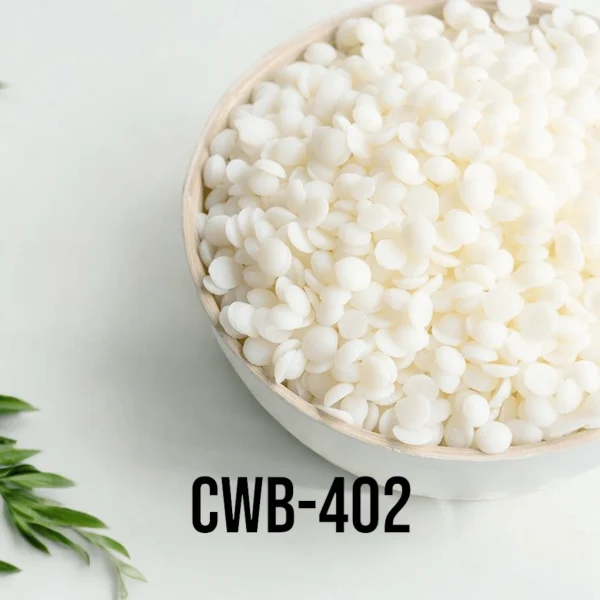
 Coconut wax blend
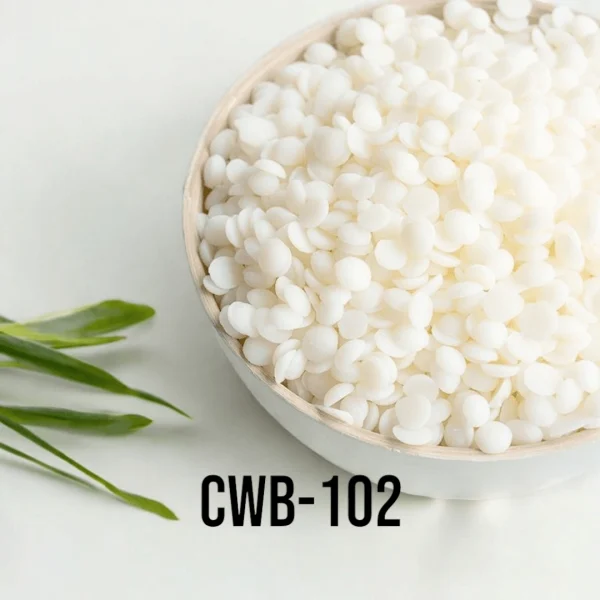 Soy wax pellets for molds
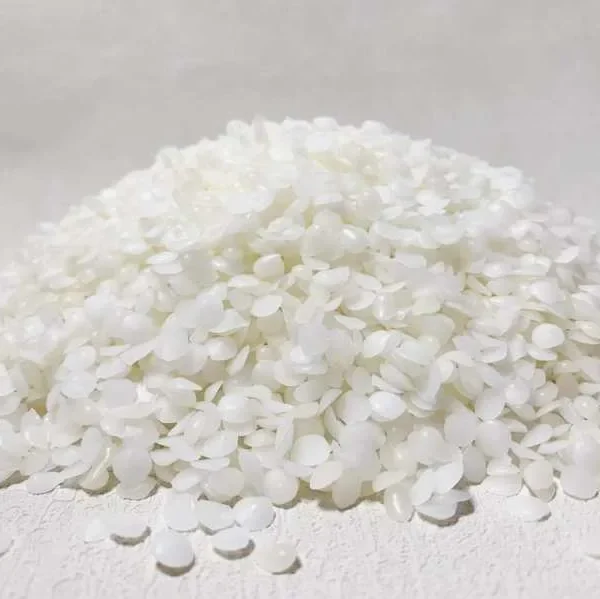 White beeswax
 VANILLA
 Amber
 WHITE MUSK
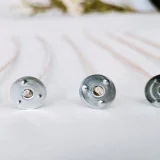
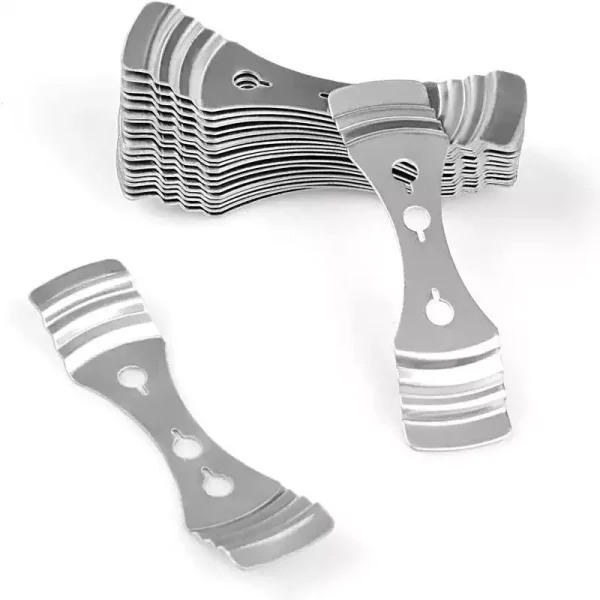 Metal wick holder
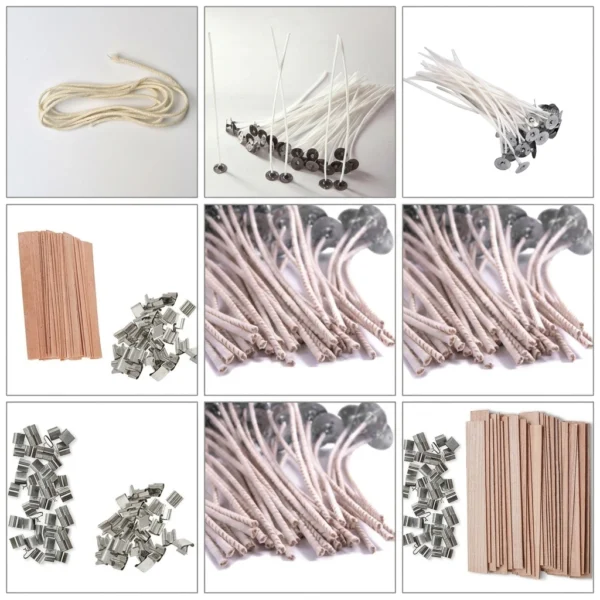 Assorted wick samples
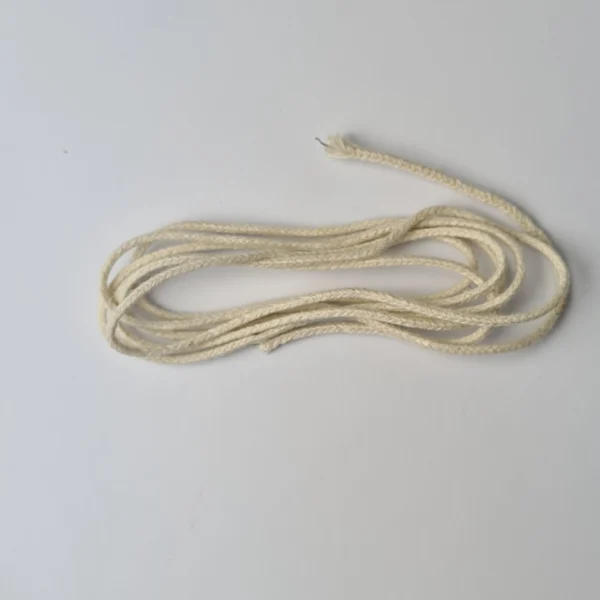 Cotton & zinc wicks
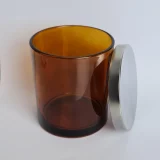
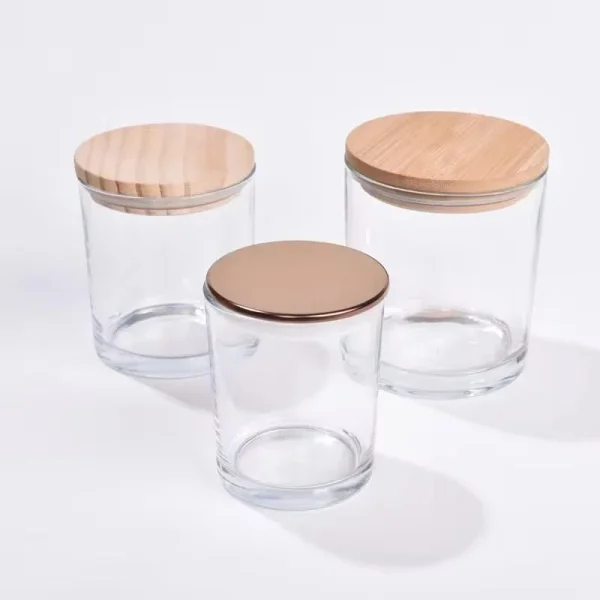 Clear glass candle jar 430 ml
Candle making is one of the best and simplest crafts that can be relied upon and prepared at any time, but it may be fraught with errors as it contains many fine details and thus can affect its final quality. So do you know what the effect of temperature is in candle making?
Temperatures play an important role in every stage of candle making, from melting them to pouring them into molds. Today we will learn about the effect of temperatures on candles and how they can be controlled to obtain professional final results.
Effect of temperature on candle making
Candle making requires art and precision in every step, and temperatures play a decisive role in influencing the final results of the candles, so let us learn about the effect of temperatures in candle making and how they can be controlled at every stage of manufacturing so that they have an elegant shape with a distinctive and very persistent scent:
-
Wax melting:
The wax melting process determines the success of the candle. If the temperature is too high, the wax may lose some of its basic properties, such as color or smell. Therefore, you must know the ideal temperature for each type of wax:
- Paraffin wax granules: The melting point of paraffin wax ranges between 58 – 62 degrees Celsius to ensure homogeneous melting.
- Natural soy wax: Ideal melting temperature 170°F.
- Soy wax granules: Ideal melting temperature is 58°C (135°F).
- Palm wax: ranging between 53-56 degrees Celsius.
- Coconut blend wax: The ideal temperature is 44 degrees Celsius (112 Fahrenheit).
- Tart soy wax and diffusers: 51 degrees Celsius (125 degrees Fahrenheit).
- White beeswax: 170°F for melting.
- Transparent gel wax for cans: 58 – 60°C.
- Transparent gel wax for molds: range between 99 – 110 degrees Celsius.
-
Adding dye and perfume:
The step of adding dye and perfume to the wax requires great precision, as temperatures affect each component differently:
- Color: Color must be added at 75 degrees to candle cubes.
- Fragrance: Fragrance is added according to the perfume maker’s instructions.
-
Casting:
These are the crucial stages in which you must pay attention to the temperature, as the wrong temperature can greatly affect the final touch of the candle:
- Paraffin wax granules: The ideal pouring temperature is about 70 degrees Celsius.
- Natural soy wax: 130-150°F.
- Granulated soy wax: The pouring temperature is approximately 71 degrees Celsius (160 degrees Fahrenheit).
- Palm wax: about 80 – 90 degrees Celsius (176 – 194 Fahrenheit).
- Coconut blend wax: 71°C (160°F).
- Tart soy wax and diffusers: The ideal temperature is 76 degrees Celsius (170 degrees Fahrenheit).
- White beeswax: 160 F is the ideal temperature for pouring.
- Clear gel wax for cans: 90°C for pouring.
- Clear gel wax for molds: Ideal molding temperature ranges between 85-95°C.
However, the temperature can be adjusted if you want to obtain certain effects in the shape of the candle when it cools.
-
Candle cooling:
The temperature when cooling the wax plays an important role. It is recommended that the room temperature be around 22 degrees Celsius to cool the candle slowly and evenly. If the temperature drops, shrinkage of the wax can occur and separate it from the edges of the container or mold. To ensure that the wax adheres properly to the container, heat the container before pouring the wax into it.
After learning about the effect of temperatures in candle making, you can achieve the best results by taking them into account in every step.
What are the ideal tools for accurate temperature monitoring?
Controlling the temperature, as we mentioned previously, is important to ensure the melting of the wax and ensure obtaining high quality of it, so here are the most important effective tools to help you monitor the temperature accurately to ensure that no errors occur that may affect its final result:
- Candy thermometer: It is one of the specialized tools for measuring the temperature of melted wax. It is designed to withstand the high temperatures that wax needs in the melting process. It has a simple and accurate design so you can use it easily to obtain the desired wax temperature.
- Digital thermometer: It is one of the advanced tools to provide quick and accurate temperature readings. It can also be set to the desired temperature, and when it is reached, it issues an alert that the wax has reached the ideal point.
- Infrared thermometer: Accurate measurements can be obtained in just seconds without having to touch the melted wax with this thermometer, so as not to affect the preparation process.
So do not hesitate to choose the type of scale that suits your needs to ensure excellent results.
Where do I find the best candles?
You can find them in our candle supplies store. We supply candle making products, including raw wax, essential oils, wicks, etc. We also guarantee you the highest quality and deliver the products as quickly as possible. We also help you provide a comprehensive course to learn how to start your project and choose the appropriate materials for your ideas. So do not hesitate to order our products, as we are working hard to make candle making more fun and professional:
Paraffin wax granules

Granular paraffin wax is characterized by its high quality and purity. It is distinguished by its solid and pure composition, which gives the candles a clean and stable burn. It is also available in the form of granules, which allows you to use it easily in various molds. It also absorbs perfumes at a rate of up to 6%, thus ensuring the stability of the scent and its effective spread. Its melting and combustion point are also ideal to ensure the long shelf life of the wax and regular burning. It is also easy to improve its properties by adding 10-15% of Stearic acid to make it harder with an attractive shine.
Do not hesitate to order it now from the Paraffin Wax Types section for making pillar candles or candles cast in silicone or metal molds, but it is not suitable for container candles. It is suitable for coloring and pouring into innovative shapes to add an artistic touch to the decor, or for presenting innovative candles as gifts on special occasions.
Soy candle diffusers

Diffuser soy wax is your ideal choice, thanks to its manufacture of entirely vegetable materials and thus being environmentally friendly and safe for use. It absorbs essential oils at a rate of up to 15%, so it provides a strong, continuous scent throughout its use, as it gives the candle a homogeneous and attractive appearance. You can also customize the candles with various colors and scents, and it ensures excellent diffusion of perfumes, whether melted or solid.
You can find it in the soy candles section at a competitive price so you can use it to make tart candles and diffusers to be used in homes, offices, etc.
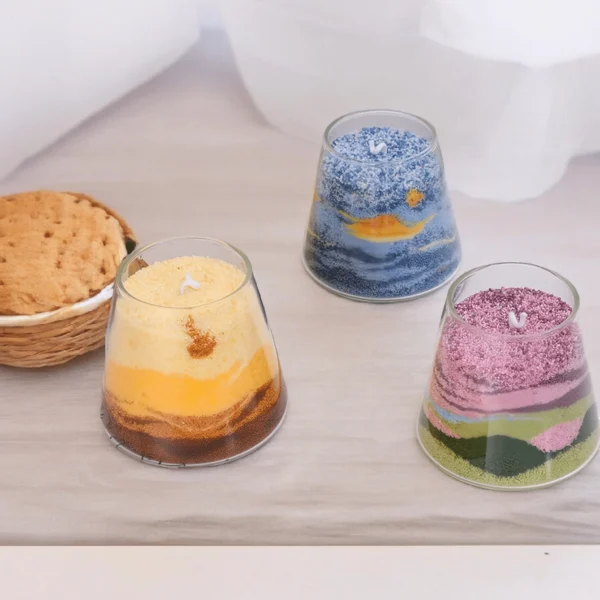
Sand wax 150 grams

Sand wax, 150 grams, provides you with the flexibility to easily design drawings and color gradients inside glass containers. It is made of 100% natural materials and does not require heating and is therefore easy to use. It does not emit annoying smoke, so it is suitable for daily use. It is available in the sand wax section at a competitive price so you can purchase it to make decorative candles, decorate tables, or even use it in handicraft projects.
What are the common mistakes in candle making?
After we learned about the effect of temperature on candle making and also the most important ideal tools for monitoring temperature during preparation, let us review some of the common mistakes that some people make and the ideal solutions to avoid them:
Choosing the wrong filament
The wick is one of the essential elements in candle making, as it greatly affects how the candle burns. Therefore, when the wick is very small, a tunnel forms inside the candle and thus melting occurs around the wick. However, if it is too large, this may lead to rapid burning of the wax with the generation of unwanted black smoke.
- In order to get a perfectly burning candle, make sure to choose the appropriate type of wick based on the size of the candle and the type of wax used.
Lack of control over wax temperature
After we learned about the effect of temperature in candle making, when the wax is melted at very high temperatures, this leads to the essential oils evaporating quickly and thus losing their smell. The color of the wax may change or smoke may be generated upon burning. However, when the wax is melted at a low temperature, this results in clumps and non-homogeneity in the components.
- To avoid this problem, place the wax in a double bowl and heat it slowly until it reaches the ideal temperature for the type of wax used. If using essential oils, add them when the wax temperature drops to 70-75 degrees Celsius to maintain the aromatic scent.
Add plenty of essential oil
When adding too many essential oils, it may cause an inconsistent candle, which is very soft and does not burn evenly, so excess essential oils cause unstable burning and heavy smoke.
- Follow the ideal ratio for adding essential oils, as it is recommended that it range between 6-10% of the weight of the wax. It is also preferable to use oils intended for candle making that are more compatible with the wax to preserve the scent when burned.
Do not wait for the wax to cool properly
When pouring the wax if it is very hot or leaving it to cool quickly, this may cause air bubbles or cracks to form on the surface of the candle, thus affecting the final appearance of the candle and causing uneven burning.
- Allow the wax to cool slowly when pouring it into the molds at room temperature, do not expose it to cold drafts or high temperatures as they affect the formation of the candle.
Not preparing the molds properly
If the wick is not properly fixed in the mold, or even if the mold is not cleaned properly before pouring the wax, some problems may occur during the burning process, such as the wick deflecting, or the appearance of unwanted air bubbles.
- Before pouring the wax, make sure to clean the mold well to ensure that the wax adheres perfectly. It is also recommended to fix the wick in the center of the mold using a base or adhesive tape to ensure its straightness and stability during the cooling process.
Not testing the candle before selling
If you do not test candles before selling them, you may later discover that some errors occur, such as uneven burning of the wax, or odor problems, and thus this will affect the reputation of your product and the user experience.
- You should test each batch of candles before offering them to customers. You can leave them to cool for 24-48 hours first, and then light them to observe the burning behavior and evaluate the scent they emit.
Candles are not stored properly
When storing candles in an inappropriate environment, this negatively affects their quality. Candles are greatly affected by heat or humidity, and thus a change in shape or smell occurs.
- Candles must be stored in a cool, dry place away from direct sunlight or heat sources. They must also be covered with tightly closed lids to preserve their scent and prevent them from being exposed to moisture and air.
The most frequently asked questions about the effect of temperature on candle making
[sc_fs_multi_faq headline-0=”h3″ question-0=”How can I fix the color of hot wax?” answer-0=”Fixing the color of heated wax may be a bit difficult, but you can add fresh, unheated soy wax to ease the discolouration, but you must test a small amount first to ensure that the added dye does not affect the performance of the wax.” image-0=”” headline-1=”h3″ question-1=”Is it safe to use hot wax in candles?” answer-1=”Sometimes the use of excessively heated wax in candles may cause some changes, such as poor burning quality, or some changes in its properties, etc.” image-1=”” headline-2=”h3″ question-2=”Why do we measure the temperature of the wax?” answer-2=”The process of measuring and melting the wax is one of the basic steps in candle making and it plays an important role in achieving the final results you desire.” image-2=”” count=”3″ html=”true” css_class=””]
Candle making is an art that requires precision and attention to detail. By knowing the effect of temperatures in candle making, you can overcome errors that may occur. Thus, you can maintain the quality of the final candles and obtain professional results that improve the reputation of your products and enhance the user experience as well.
Have a question about this topic? Our team is ready to help on WhatsApp, or read the candle-making guide.